
2023
/2023 marked a clear shift from expansion to consolidation. Planting methods were refined to improve drainage and survival, with increased use of planting mix and large soil mounds. Significant removals and replanting were required among beech, chestnuts and cedars, while Cleopatra’s Pool advanced with the construction of its inner stone ring. Routine management became more central, including improved mowing and spraying access, active management of the henge pool, and greater emphasis on pruning, spacing and long‑term structure.
The year was much drier than the previous La Niña years and produced outstanding growth across most of the arboretum. Spring growth was particularly strong, but losses continued in species already weakened by prolonged saturation, especially red oaks, beech, sourwood and rauli. Increasing wind damage highlighted root instability as trees grew larger, and weed control (especially paspalum and broadleaf species) remained difficult. Overall, the arboretum gained vigour and clarity, alongside a sharper understanding of how soil history, tree size and climate variability are shaping future management.
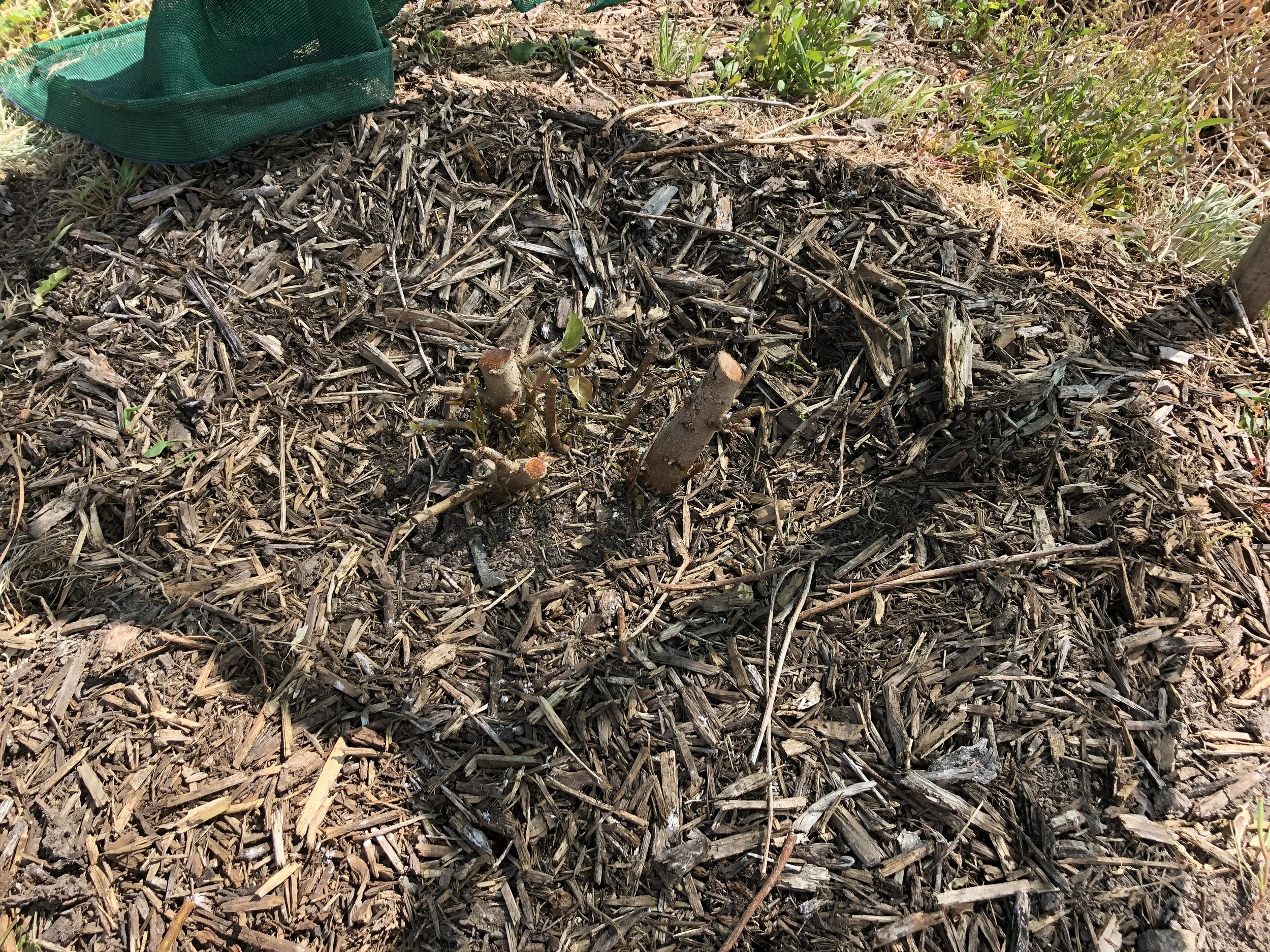
1.3 The Bodhi tree’s last hurrah? Despite the efforts of the management the frost burnt the tree back to ground level
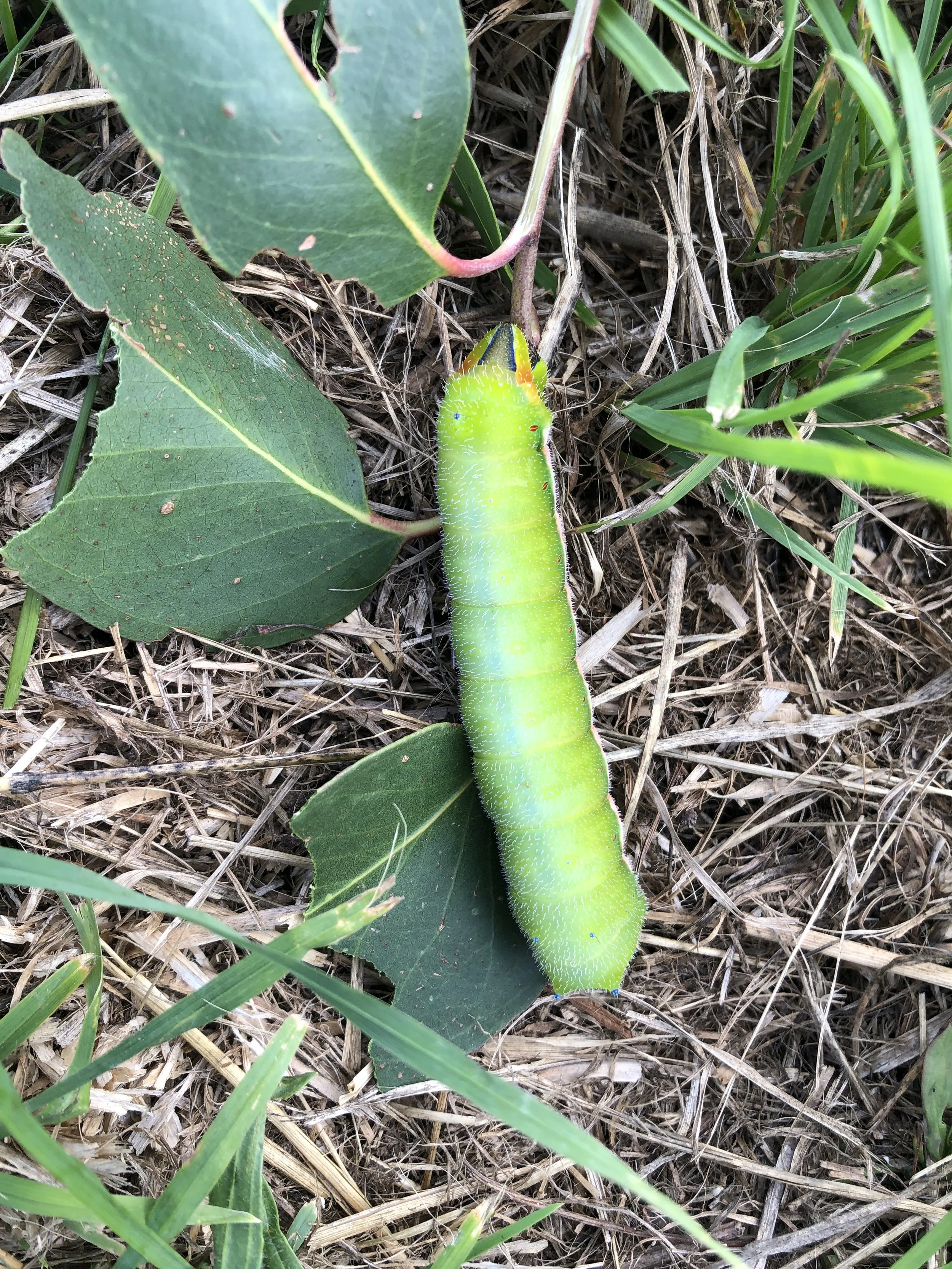
3.4 Juicy caterpillar on gum leaf
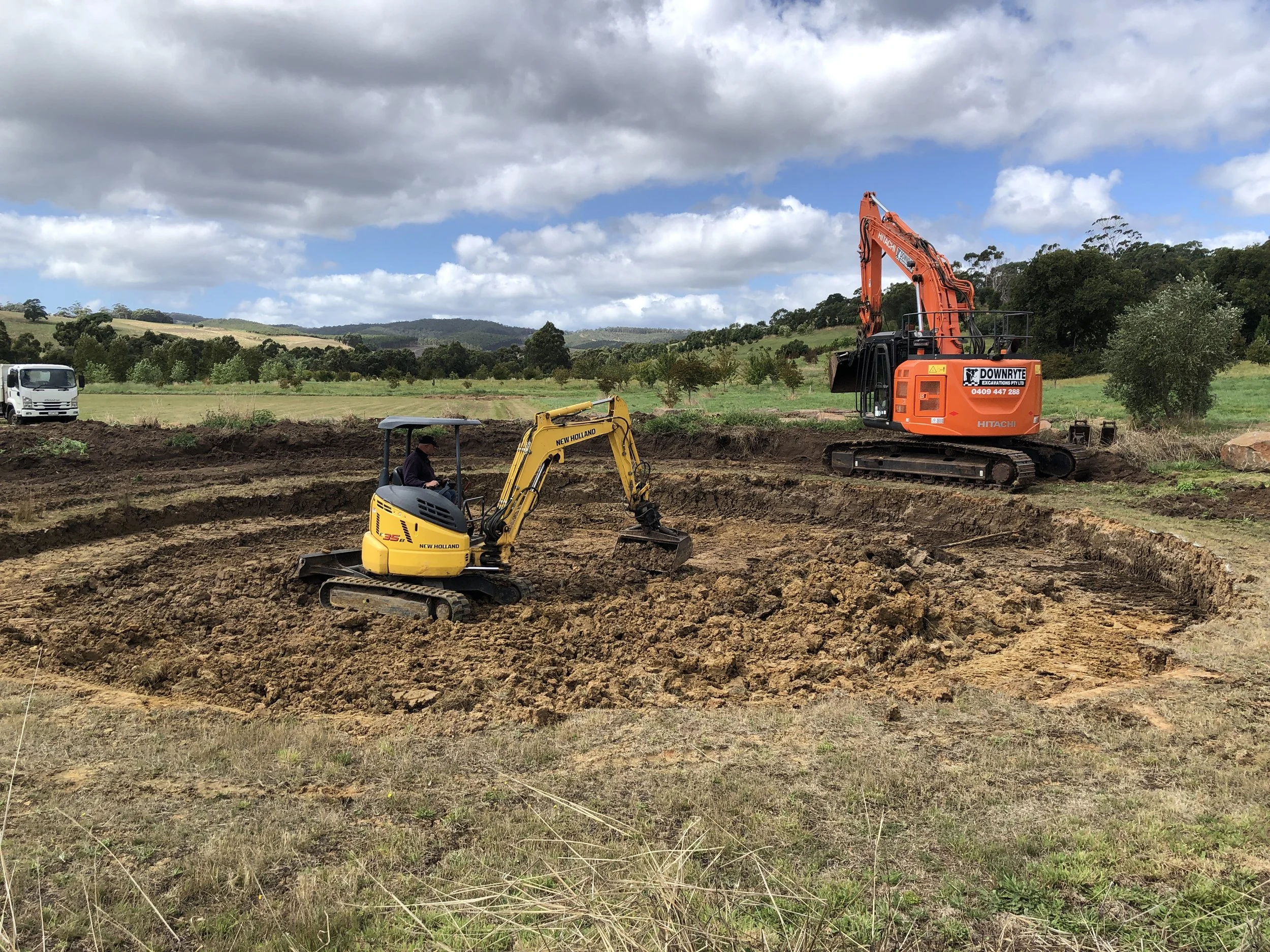
3.6 Digging out the pool of ‘Cleopatra’s pool’
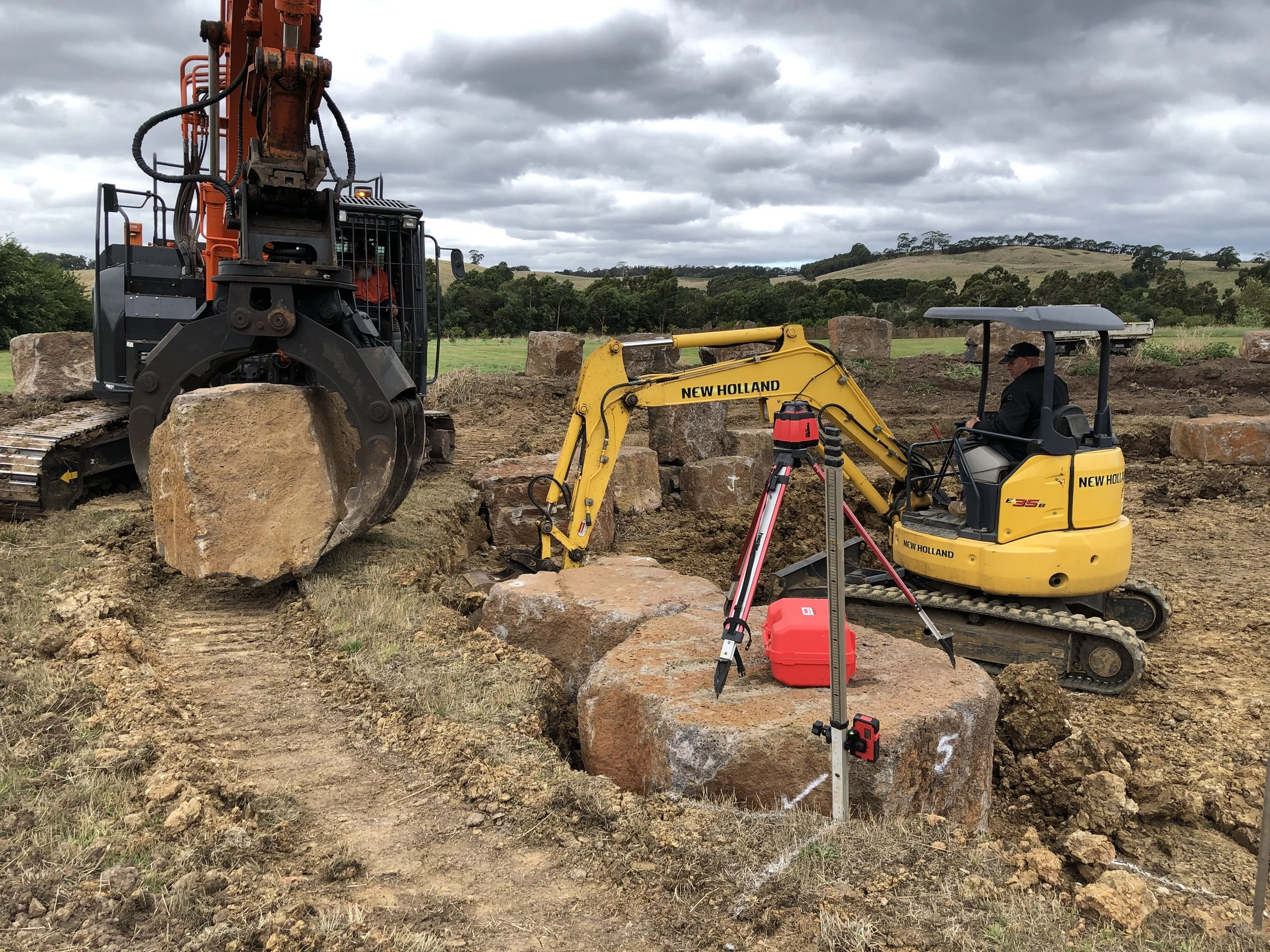
3.7 Lowering the large edge rocks into place
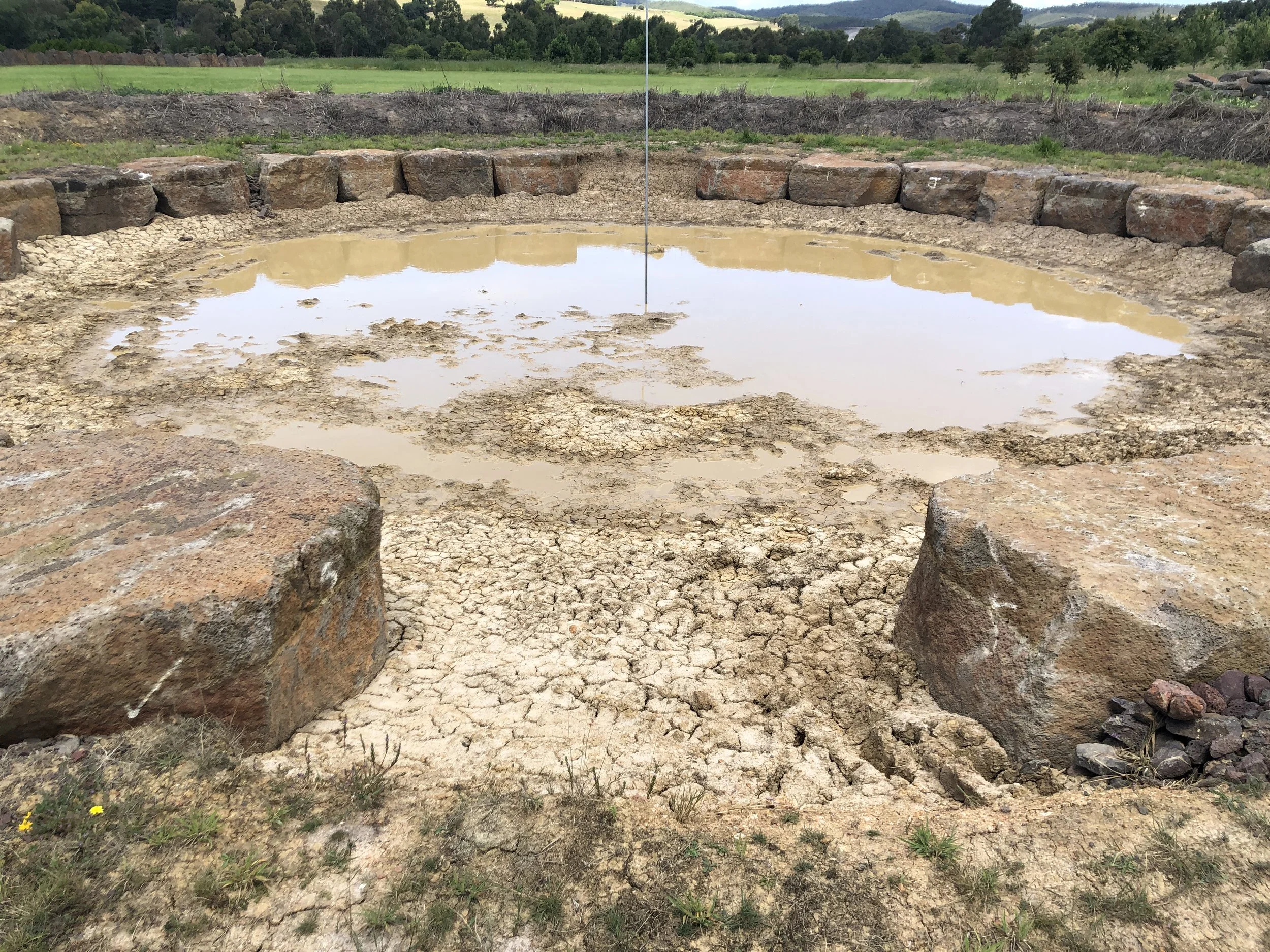
4.10 Stage 1 complete
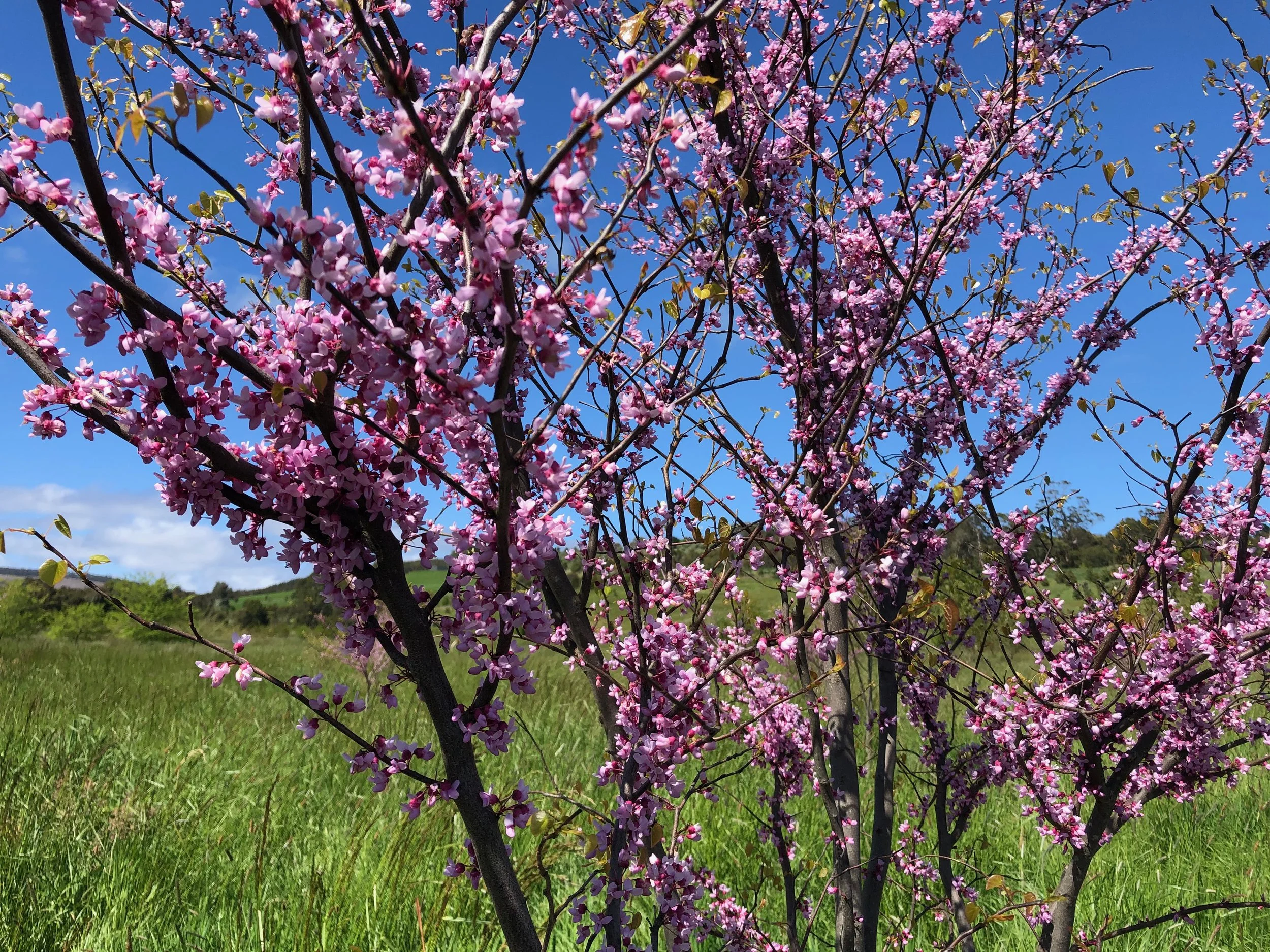
6.25 Cercis canadensis
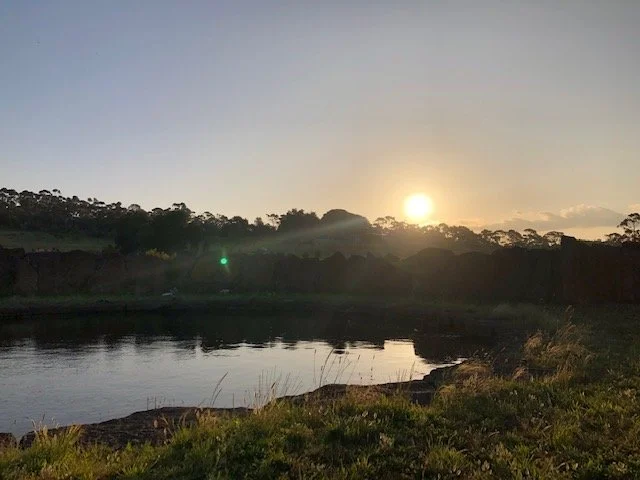
6.26 Early morning in the Ancestor’s henge around the winter solstice
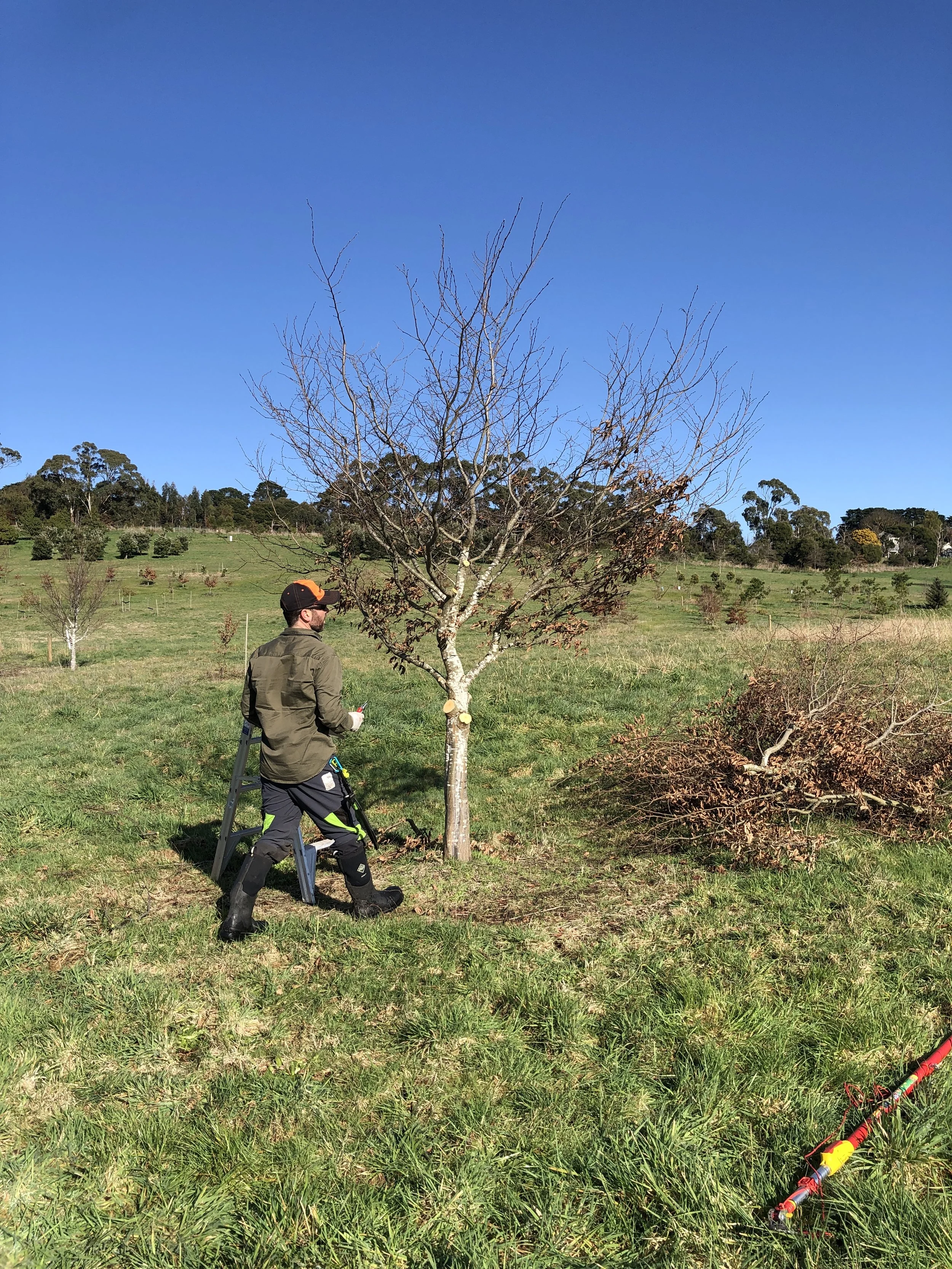
7.30 Arborist Mick contemplating his next cut
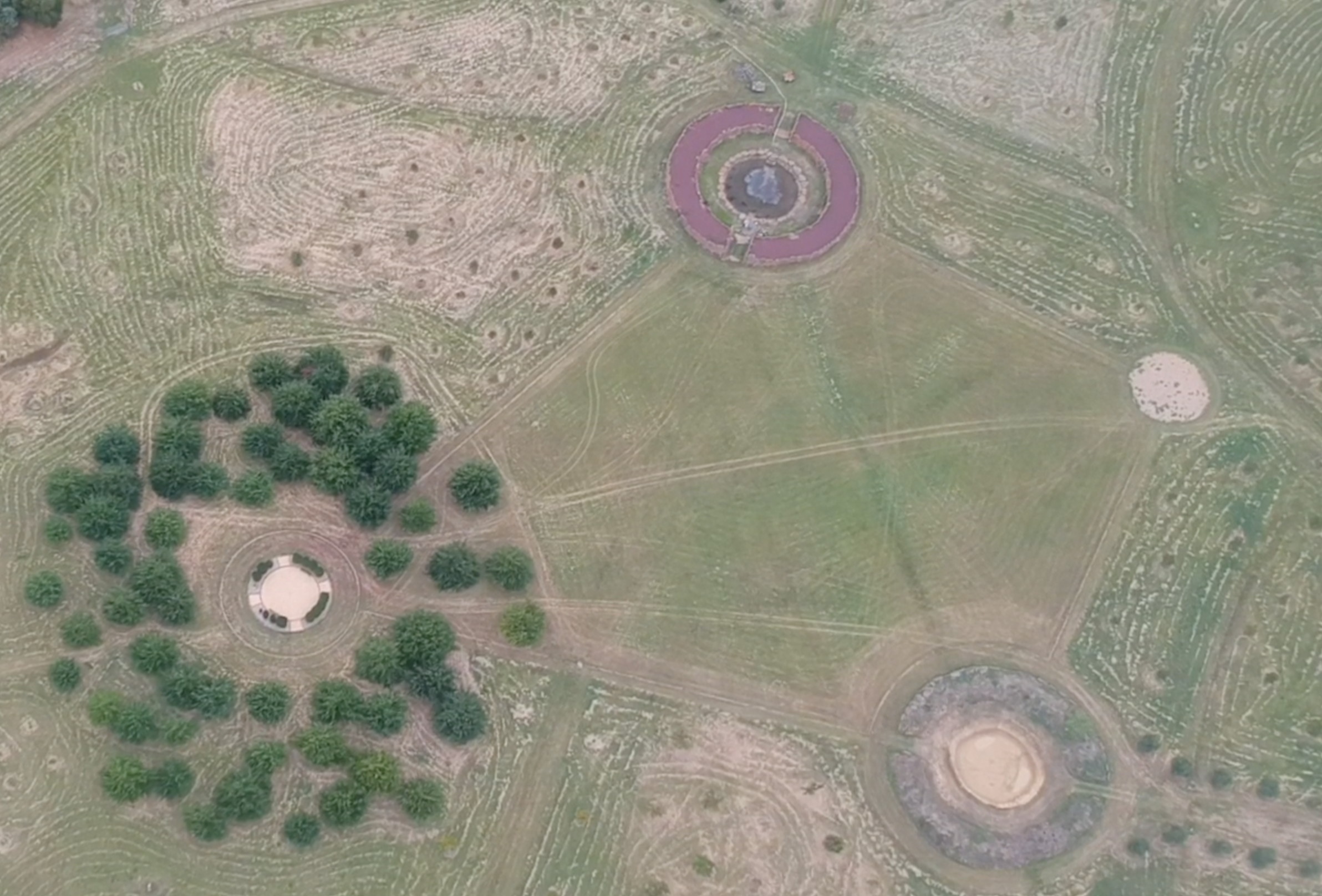
9.4 Aerial shot of the central ‘Diamond lawn’ from the drone
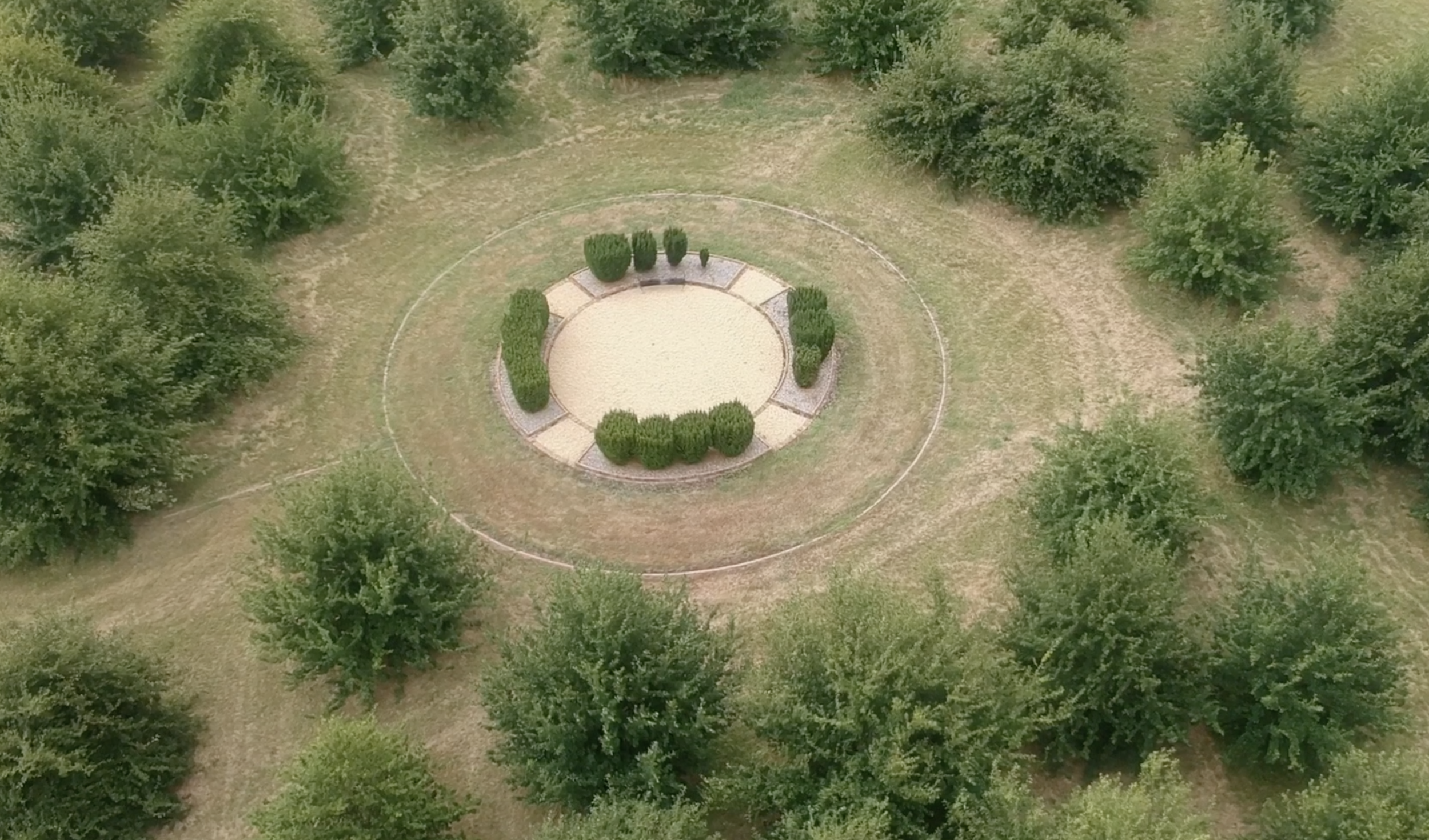
9.5 The ‘Pivot’ nestled in the Oak grove
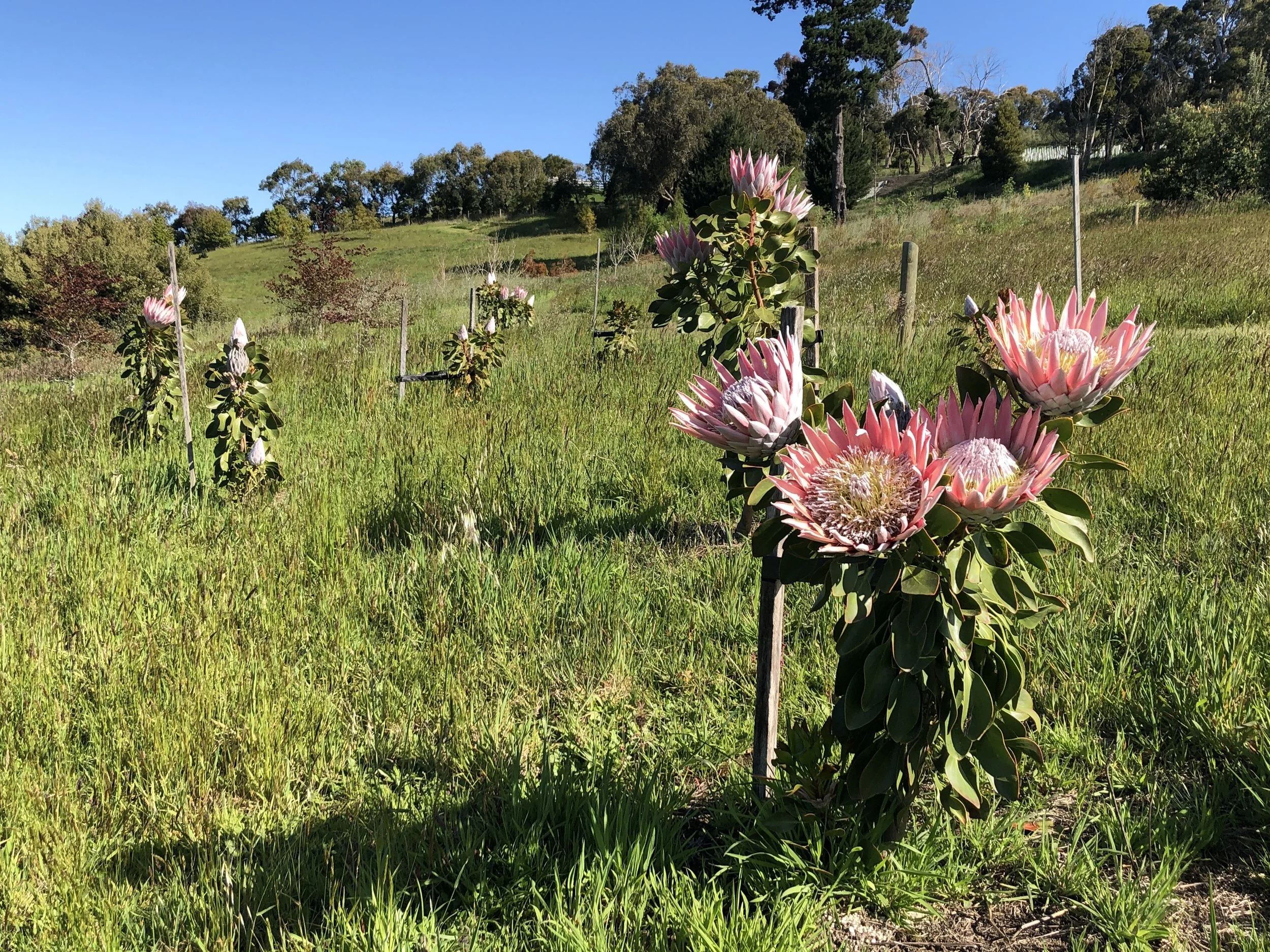
10.19 King proteas
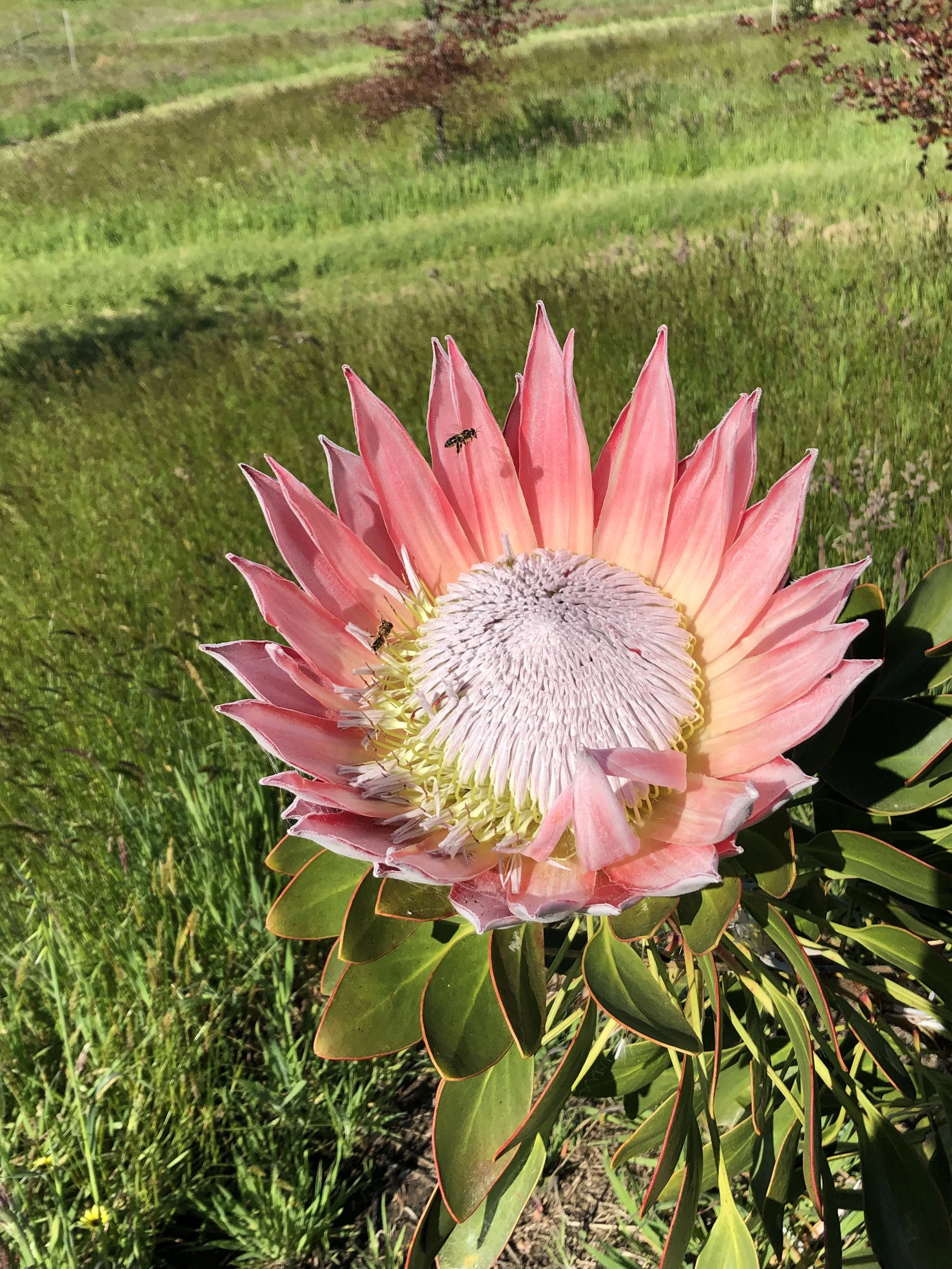
10.20 Close up of a recently opened King protea flower
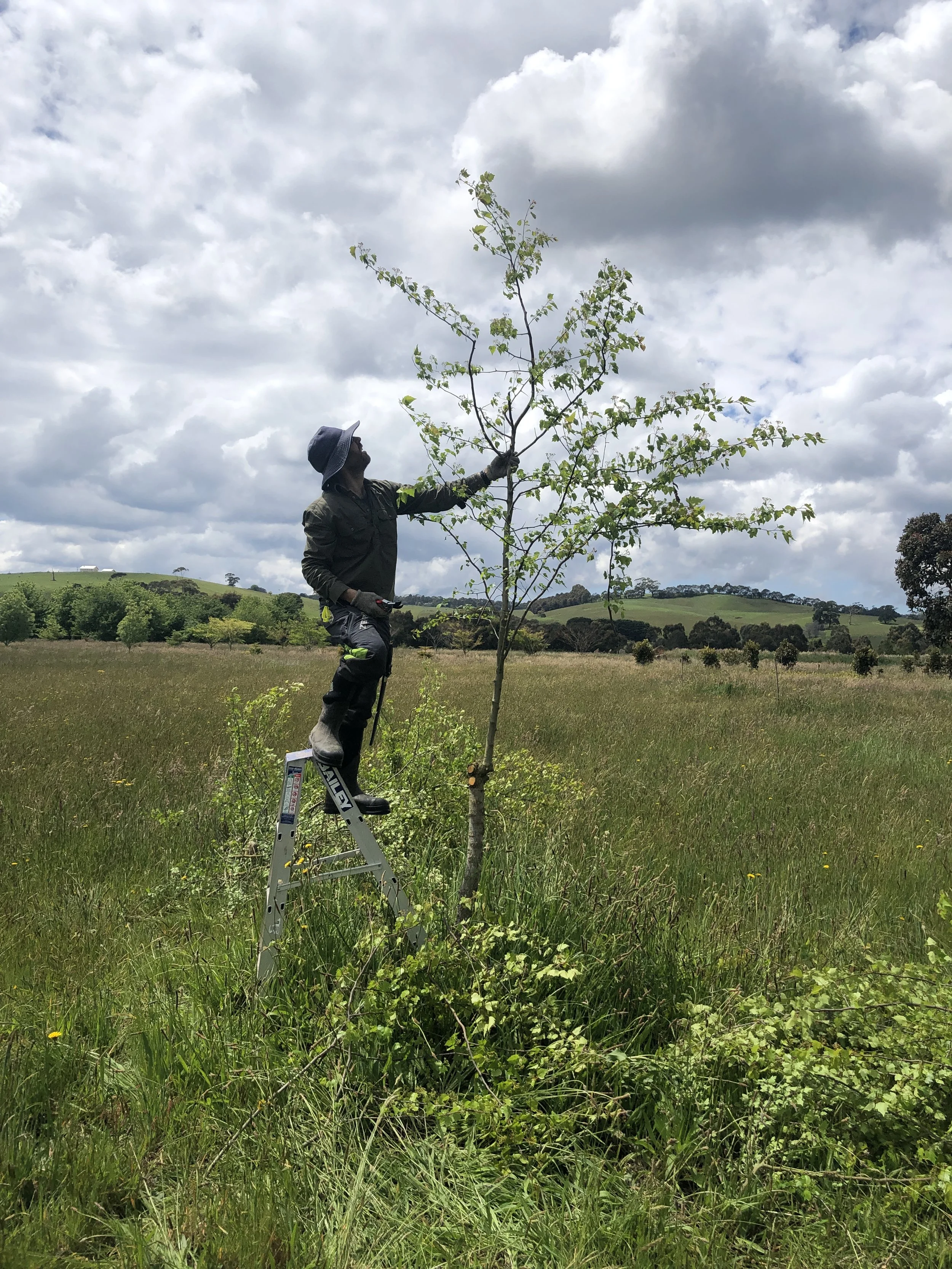
11.5 Arborist Mick working on the a Washington hawthorn
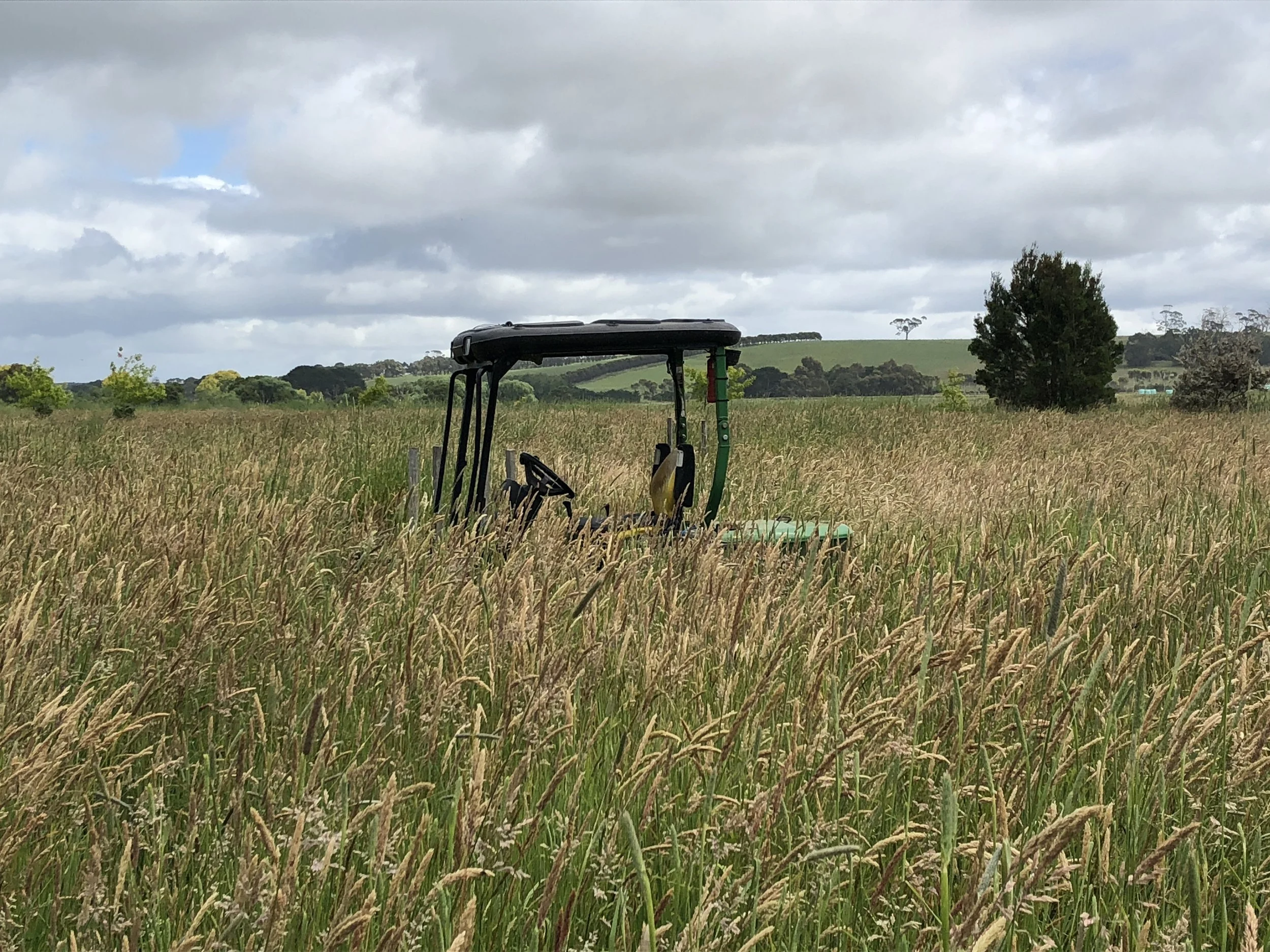
11.10 The front deck mower ‘drowning in grass’
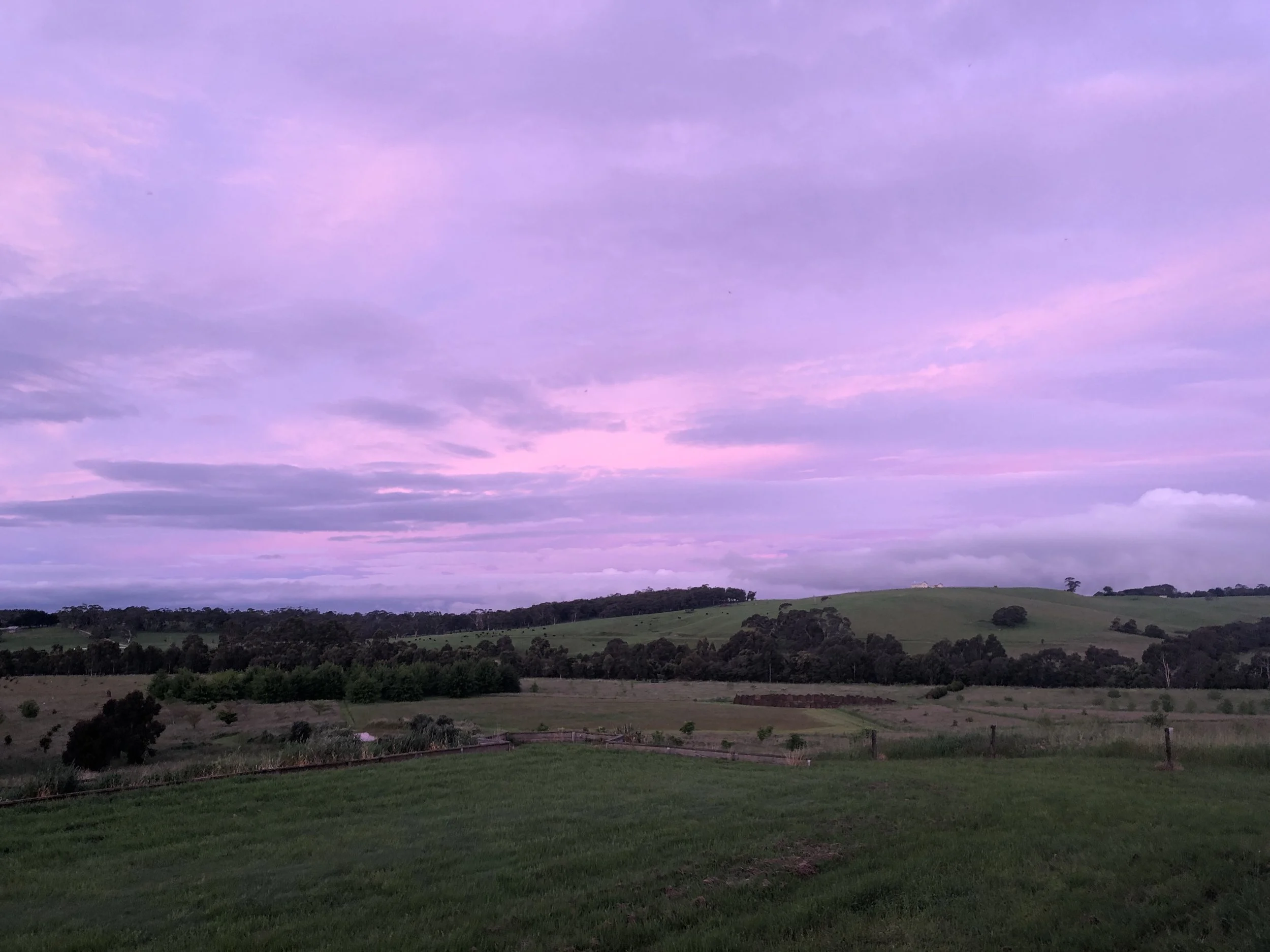
11.13 Spooky sunset, looking north east!
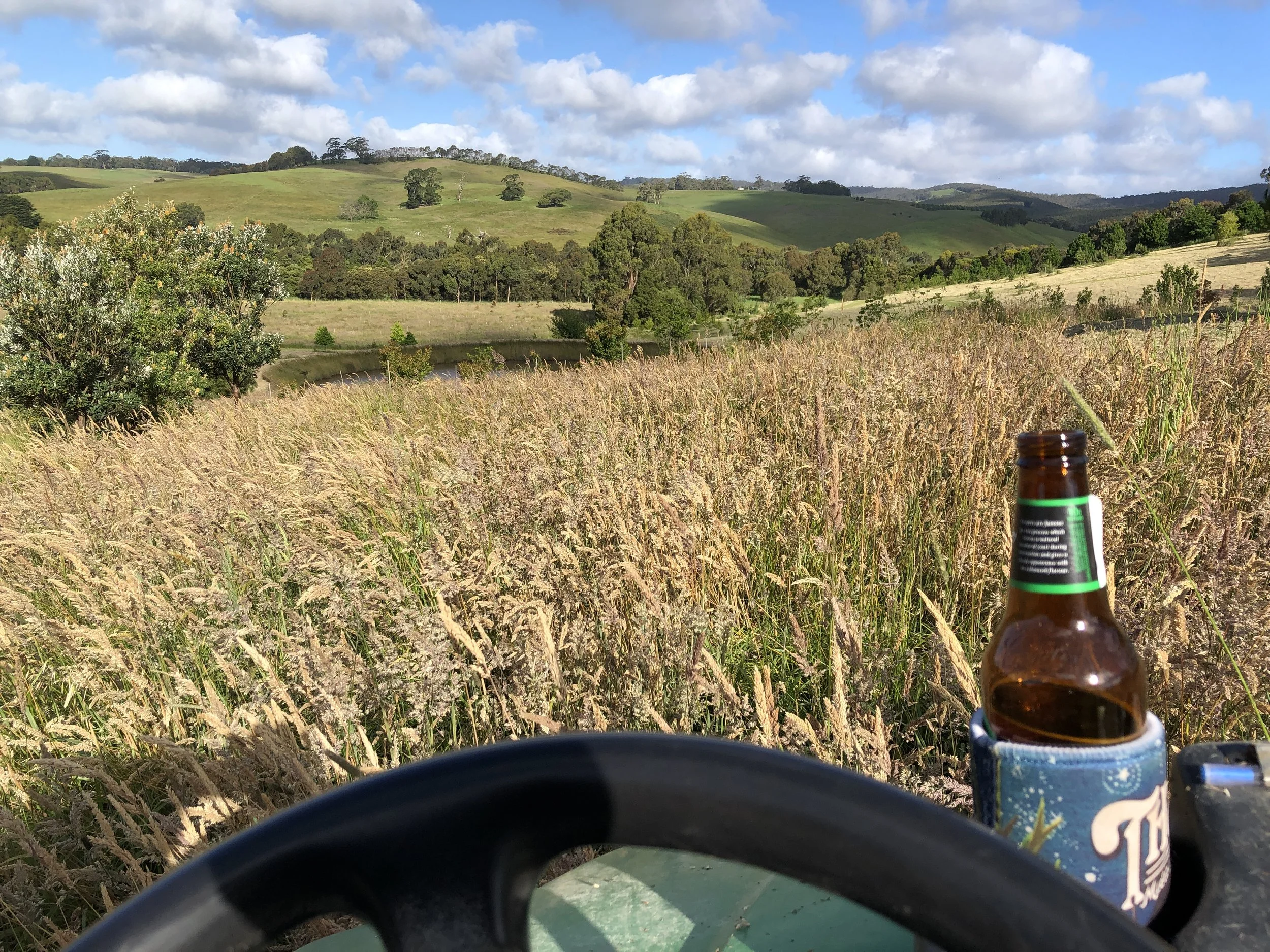
11.15 Out on safari
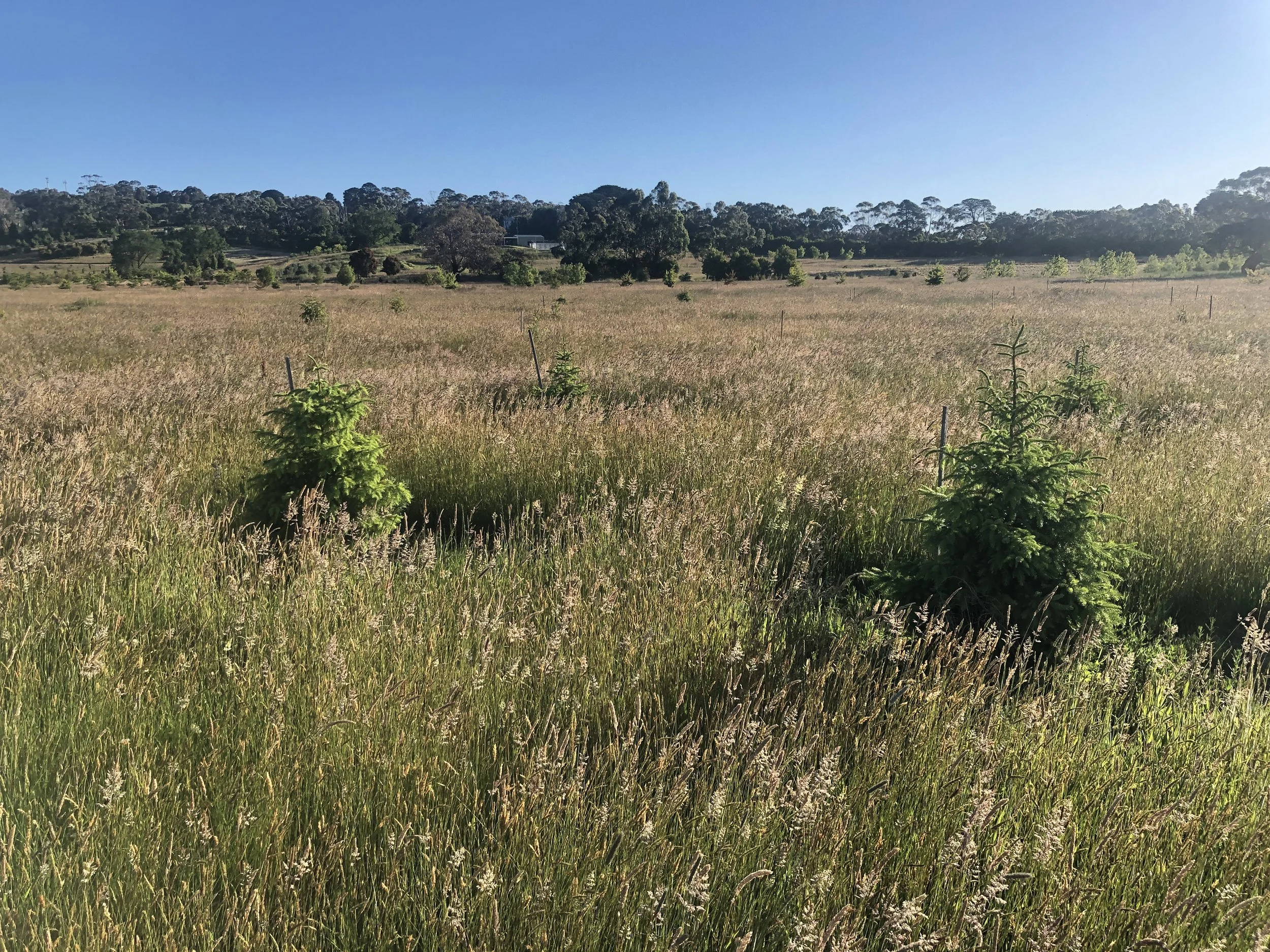
11.30 Some happy Sacred fir trees