2024
/2024 was a difficult but instructive year, dominated less by construction and more by tree health, climate stress and corrective management. Attention focused on diagnosing and responding to widespread disease, particularly collar rot and fungal issues affecting oaks, banksias, Wollemi pines and conifers, alongside insect pressure such as elm leaf beetle. Tree relocation was used strategically to rebalance groves where deaths had created gaps, and selective thinning removed overcrowded redwoods. Cleopatra’s Pool progressed more slowly, with additional rock deliveries and preparation work, and the henge pool became a persistent problem due to duck pressure and declining water quality. Arborist work shifted increasingly from corrective intervention to structural pruning as the arboretum matured.
Climatically, the year swung sharply from unusually wet and green conditions early on to an exceptionally dry autumn and winter, reportedly the driest since the 1960s, followed by repeated hard frosts. These extremes caused heavy losses among frost‑sensitive species such as palms, bananas and kauri, while others benefited from the drier conditions after years of saturation. Grass growth, bird numbers and water quality issues reflected the lack of balance between rainfall and evaporation. By late spring, timely rain restored strong growth, but planting decisions—particularly overly high mounding—revealed new vulnerabilities to heat and drought. Overall, the year reinforced the need for tighter calibration between soil preparation, species selection and increasingly volatile climate patterns, as the arboretum moved deeper into a phase of adaptation rather than expansion.
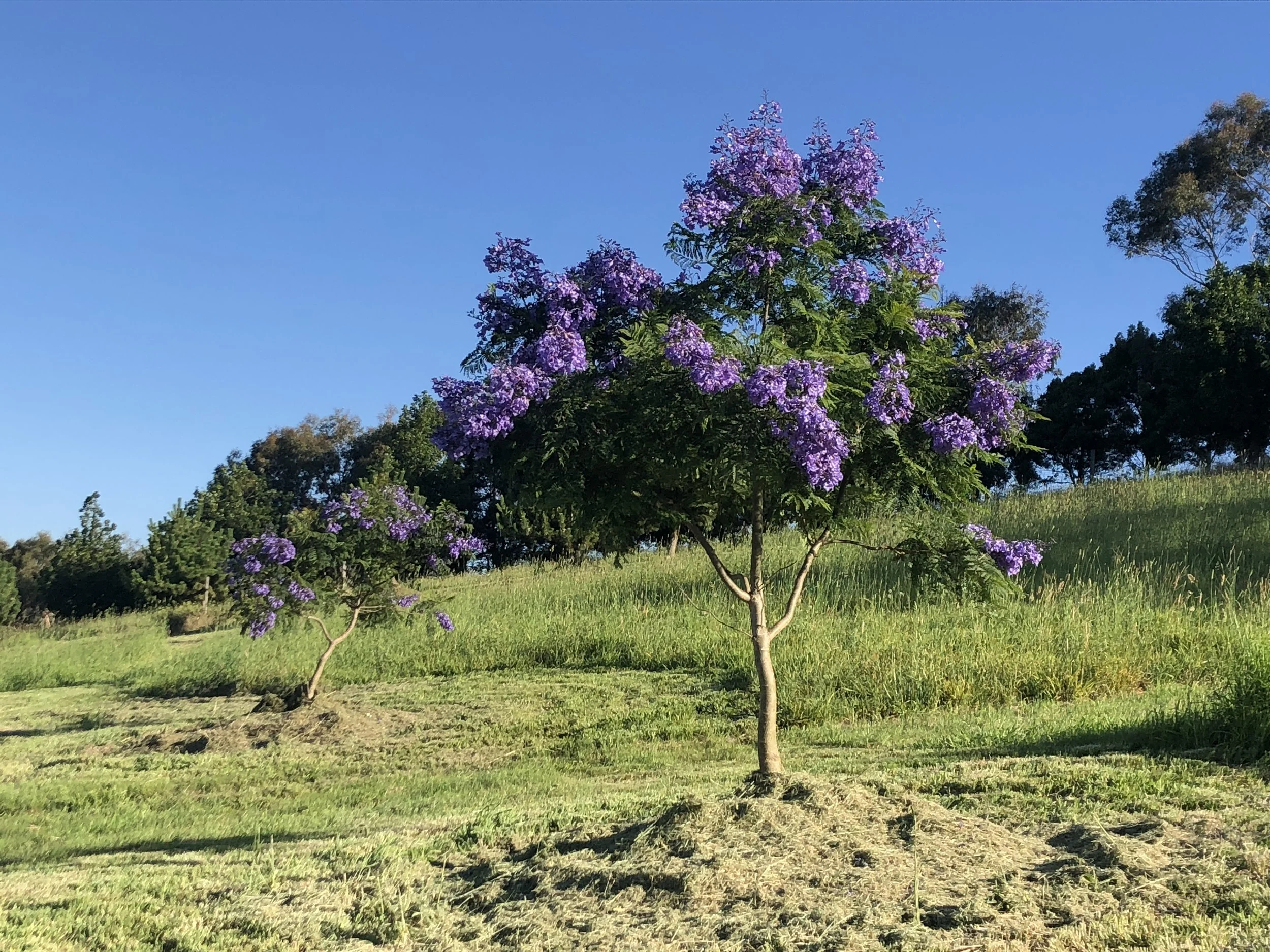
1.23 Jacaranda in full flower for the first time
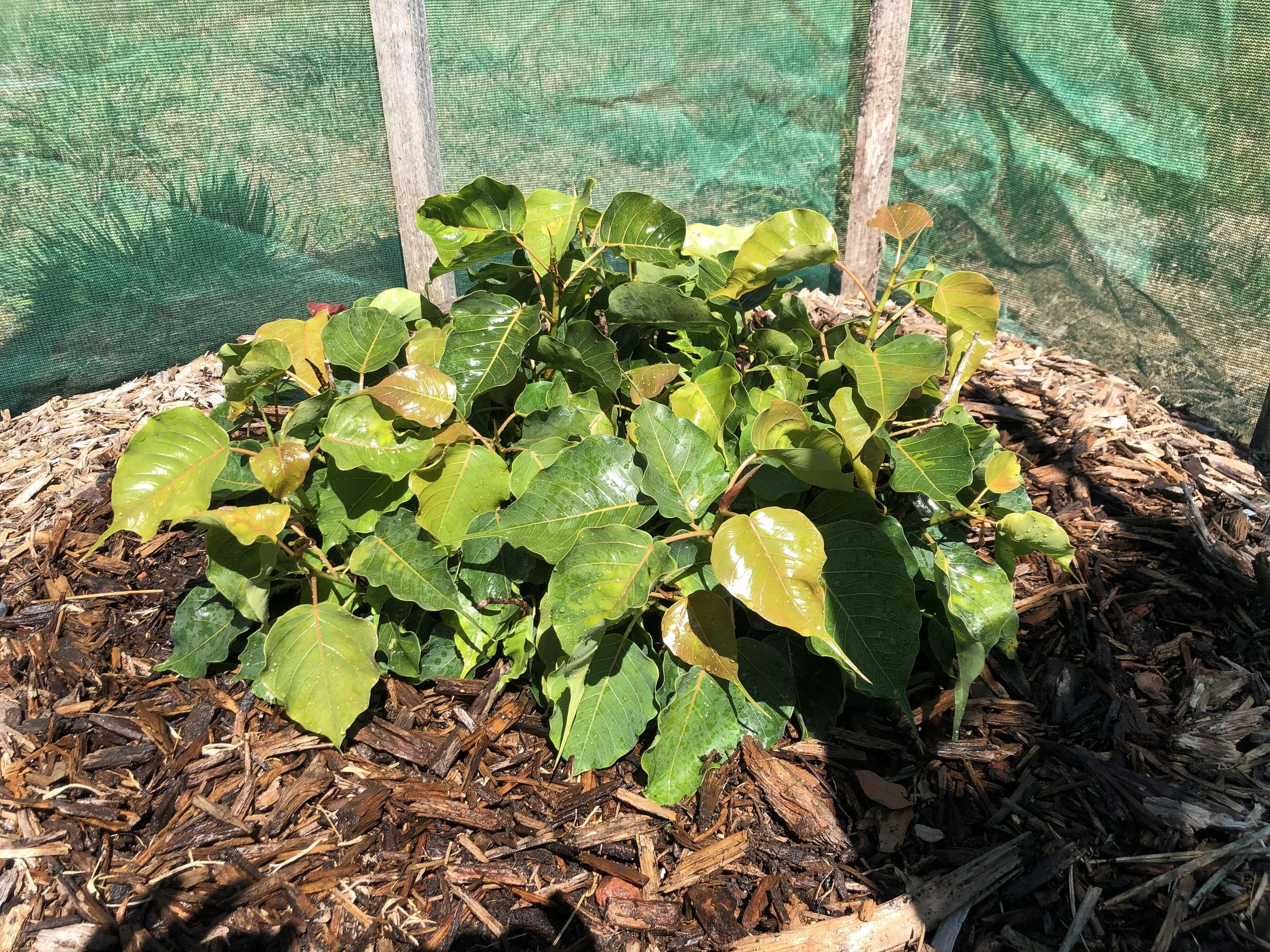
2.21 The Bodhi tree is back!, see photo from last year. I have discovered that the leaves can apparently get burnt by the cold even if the temperature is above freezing
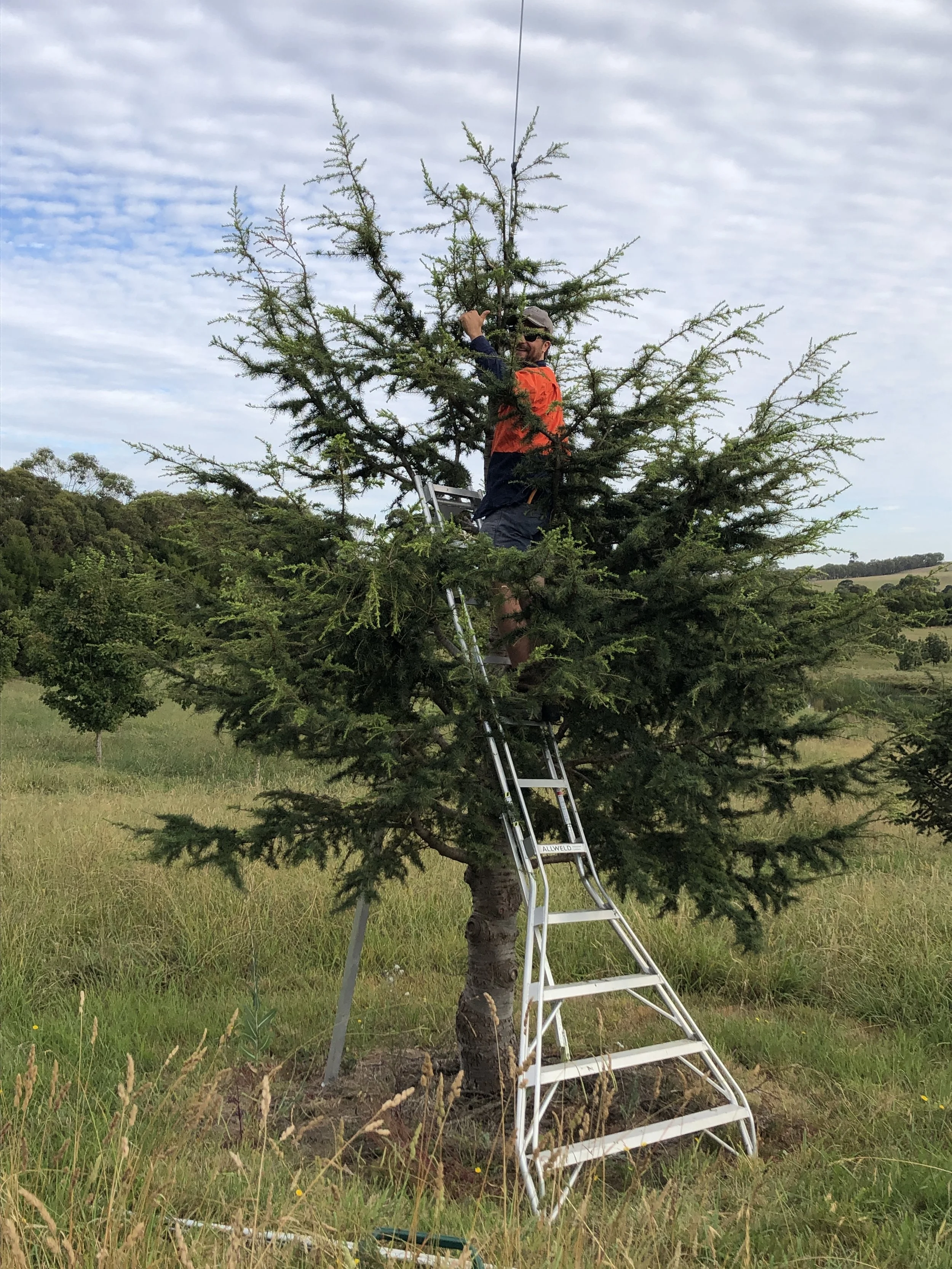
2.22 Mick the arborist erecting ‘aerials’ in the Lebanese cedars to stop the Cockatoos biting out the leaders. (There is a third leg on the ladder if you look carefully)
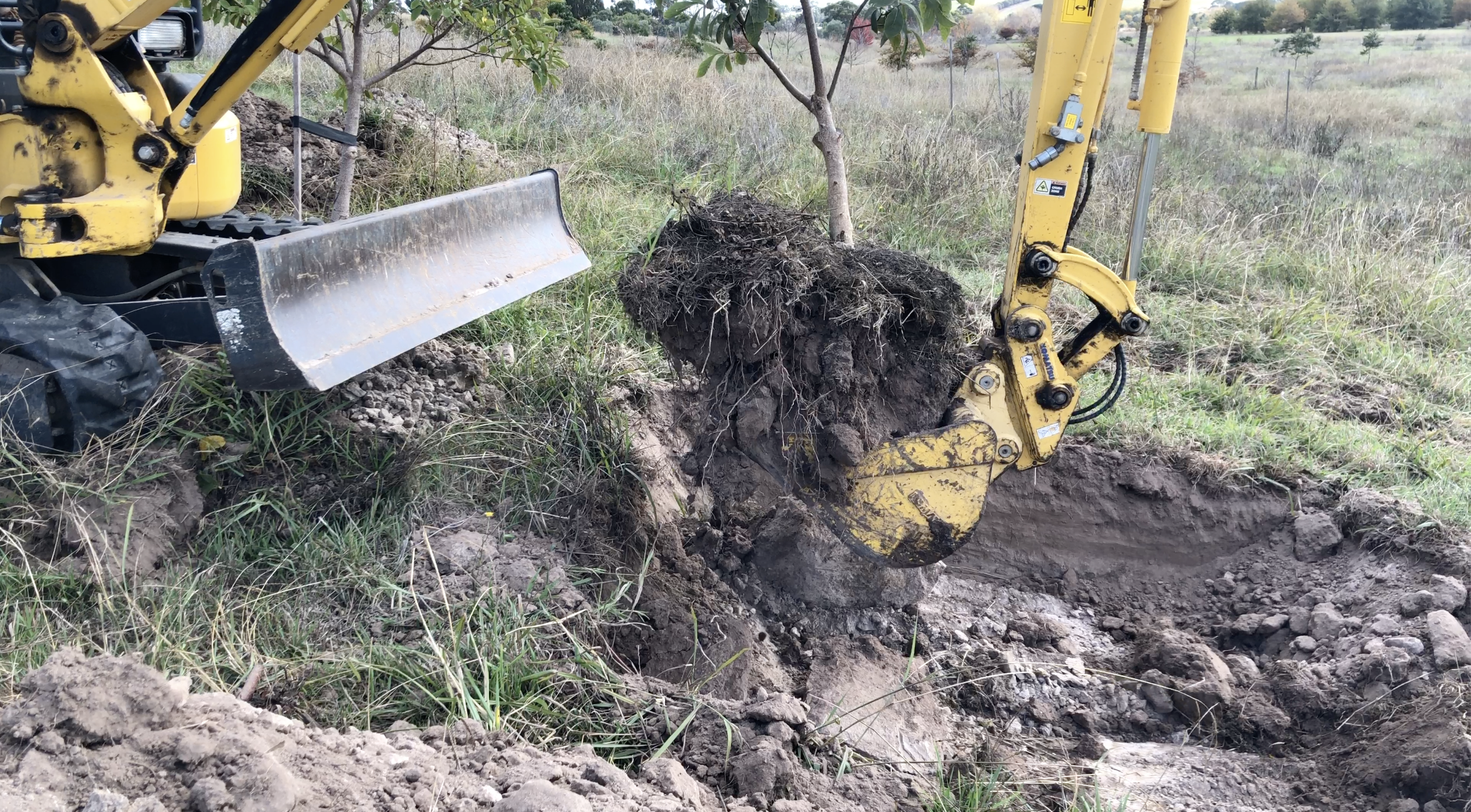
5.2 Moving a tree, not pretty but effective
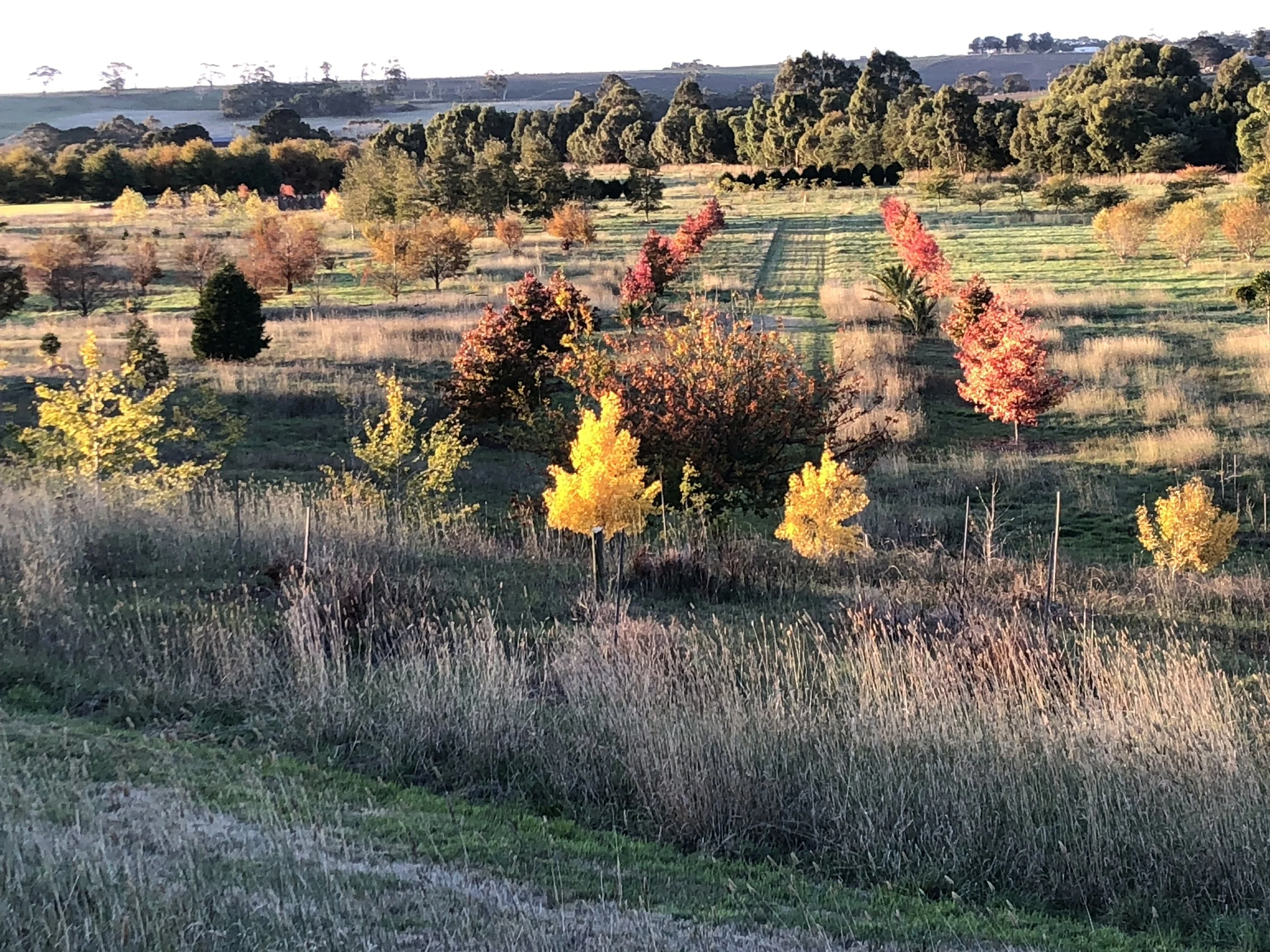
5.3 Autumn colours. As the trees get bigger the colour become more apparent in the landscape
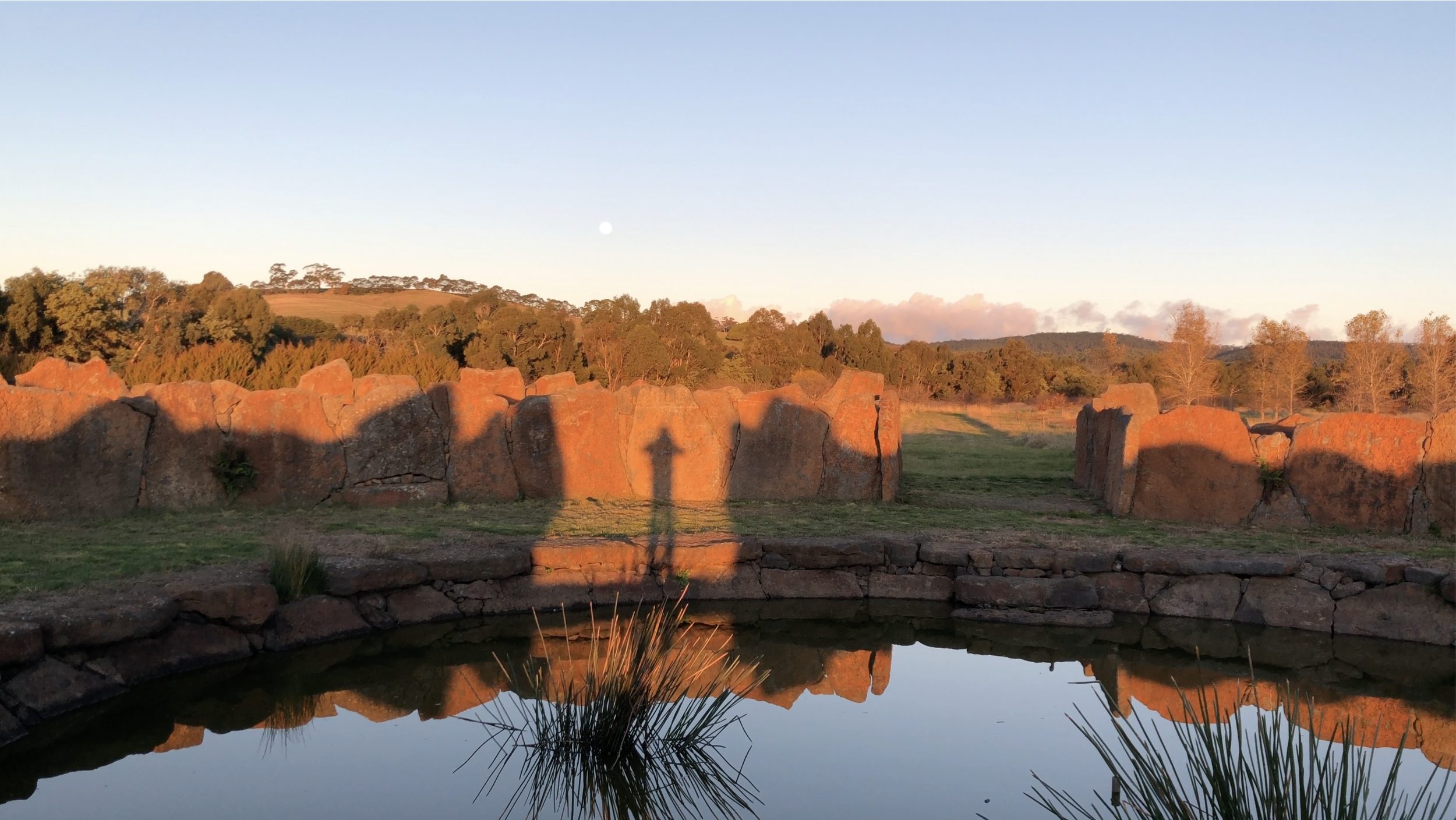
6.10 The Henge at dusk, enlarge to see the full moon
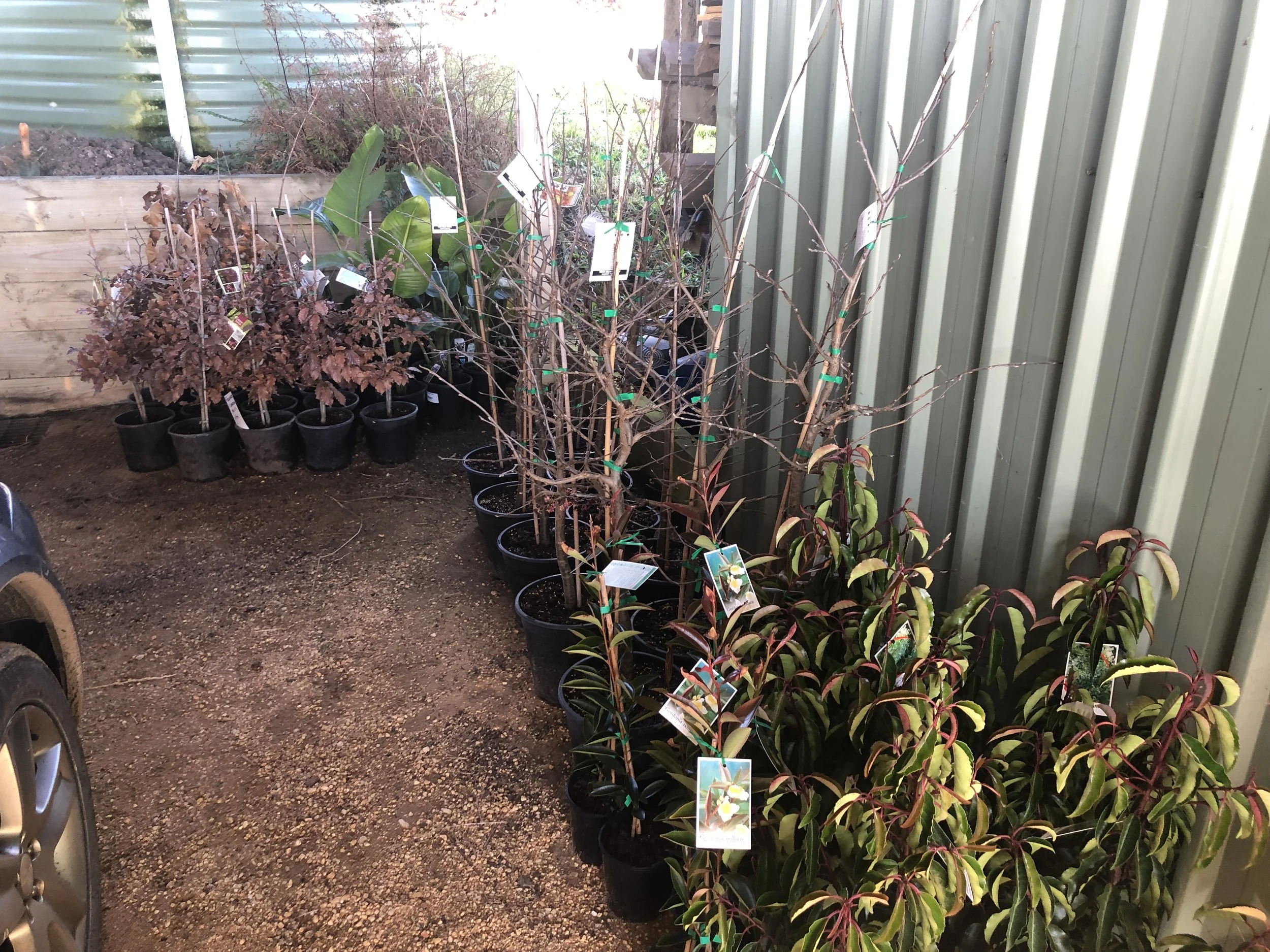
7.30 Trees waiting to get planted
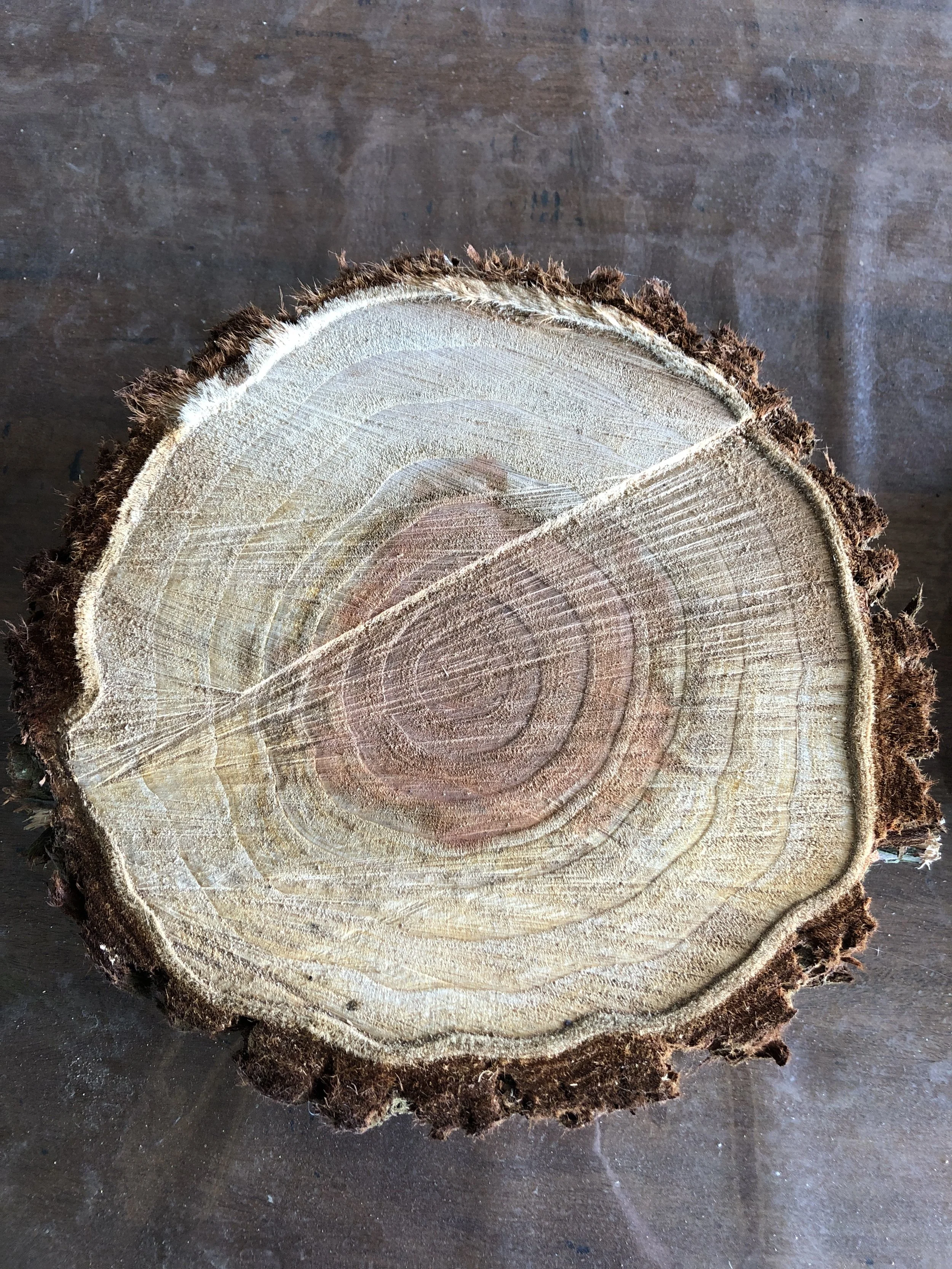
8.1 A thinned Redwood, not the large growth rings
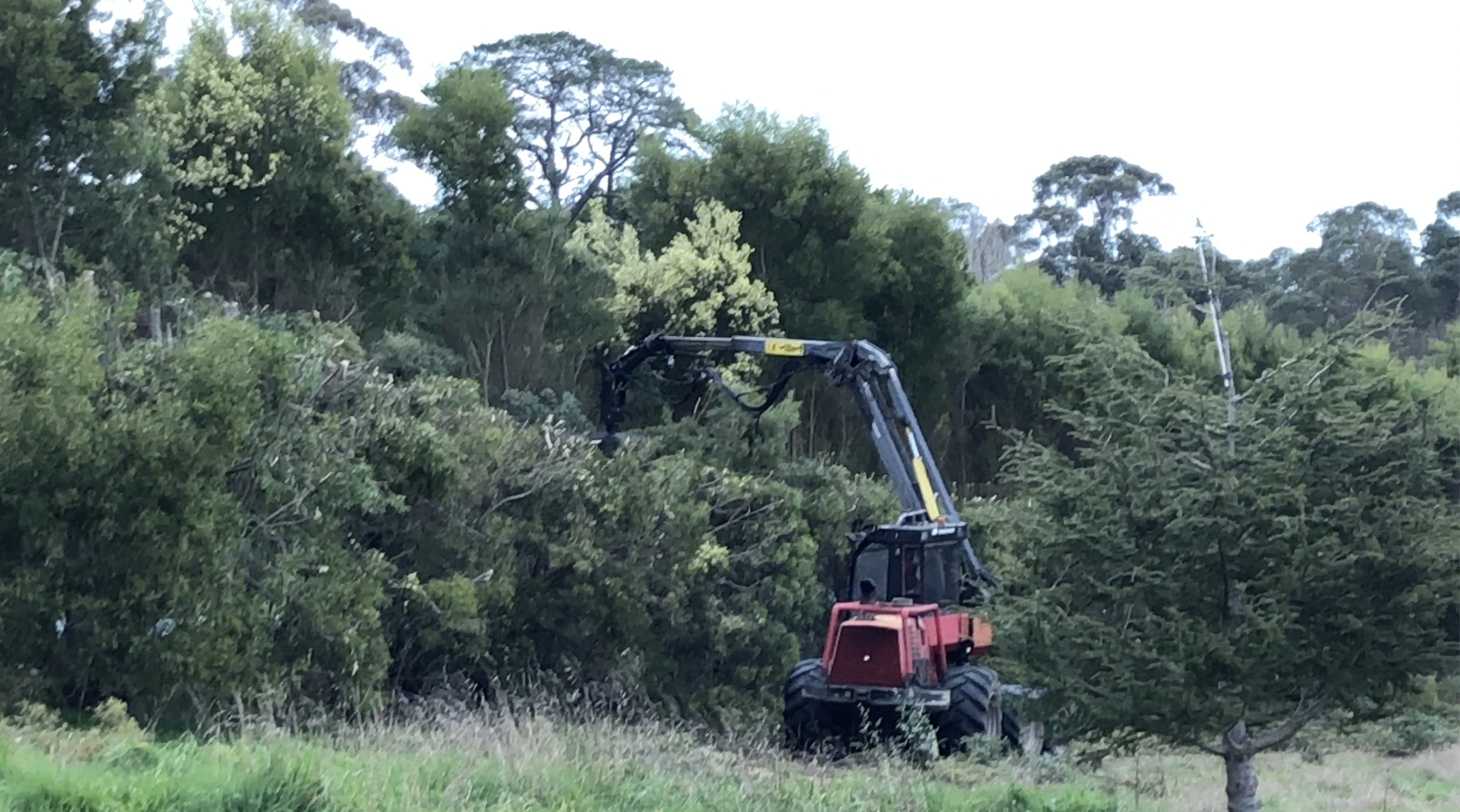
8.16 Pruning the Blackwood hedge
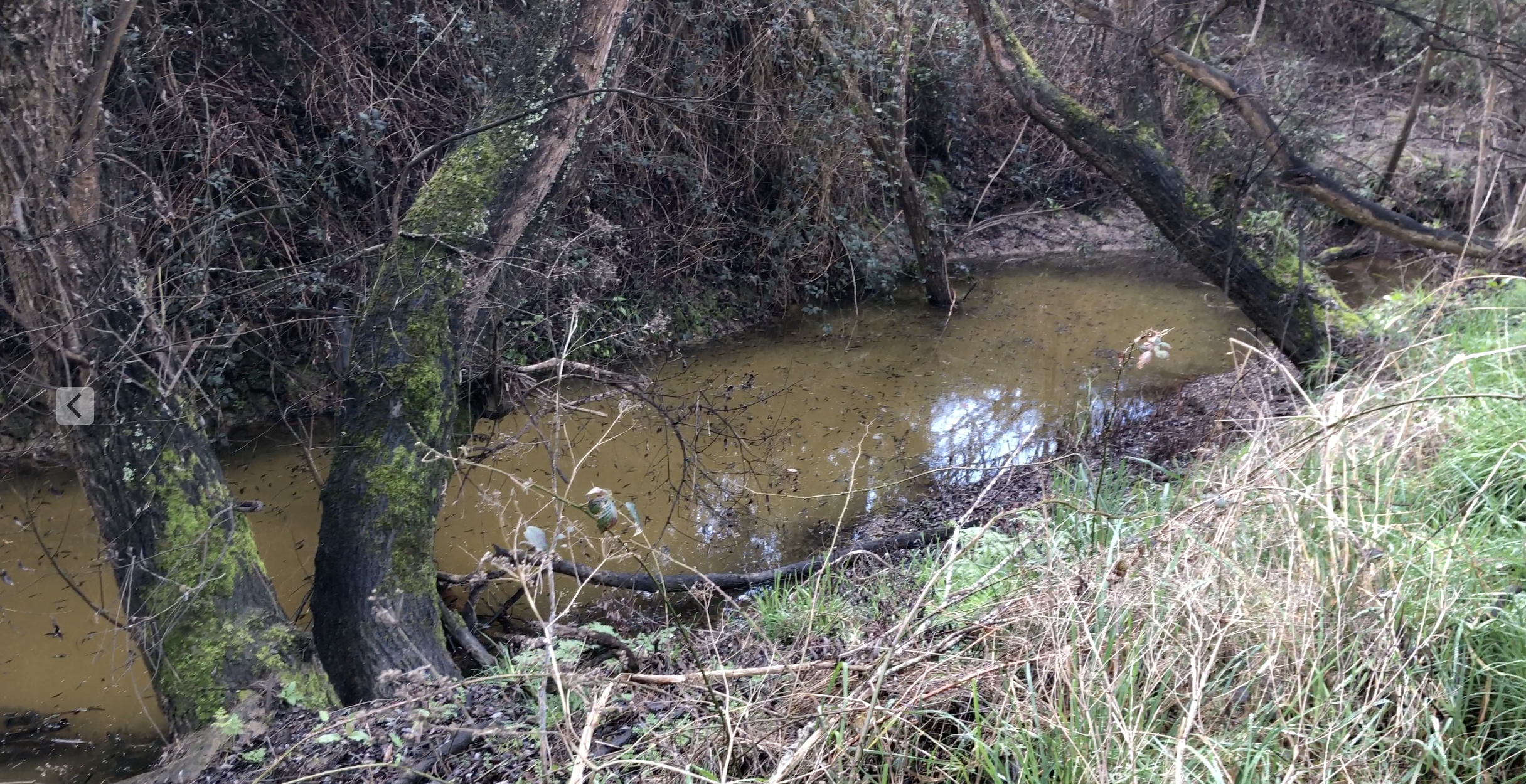
8.17 The colour of the water in the creek on the neighbouring property chocked with willows
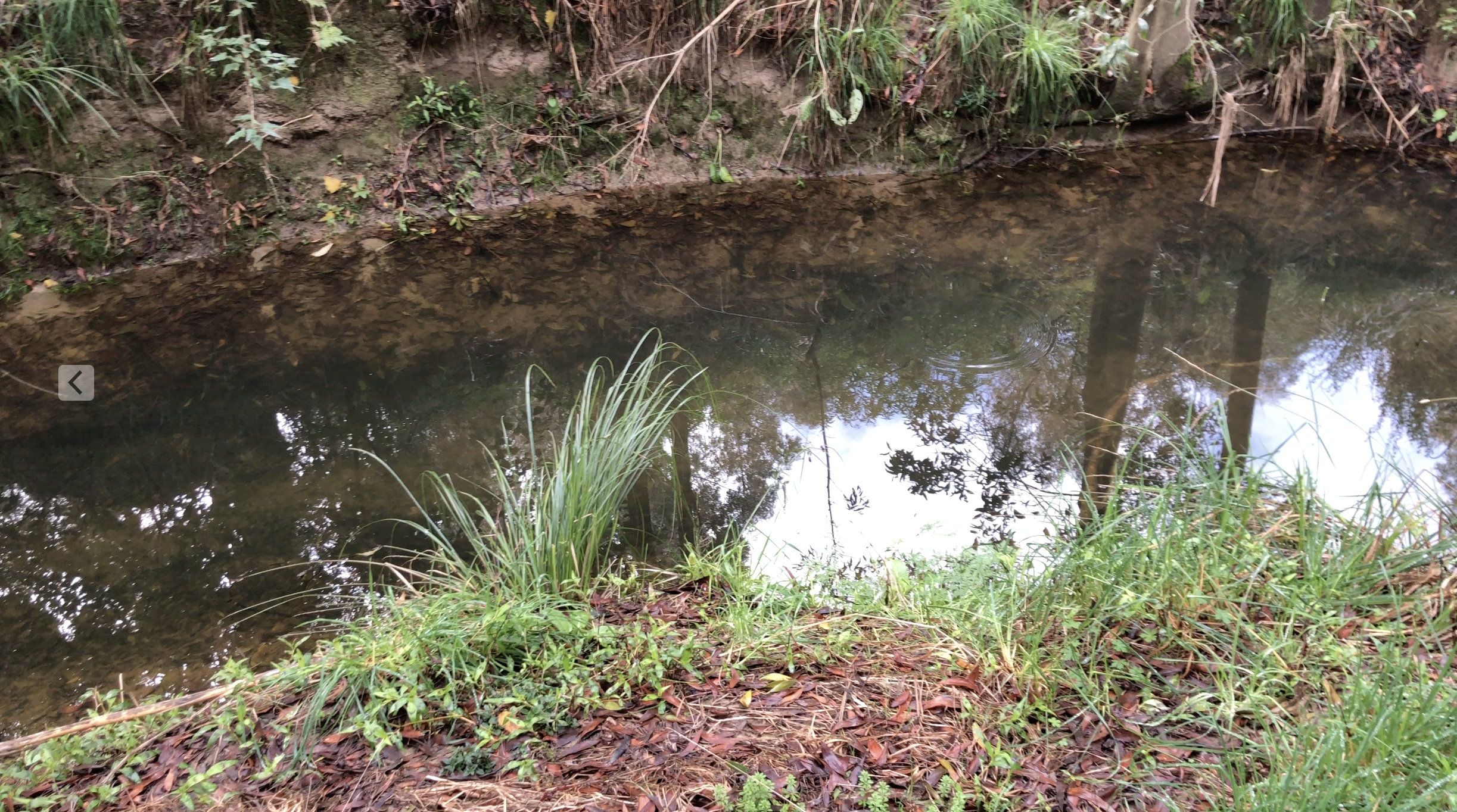
8.18 The colour of the water in the rehabilitated section of the creek
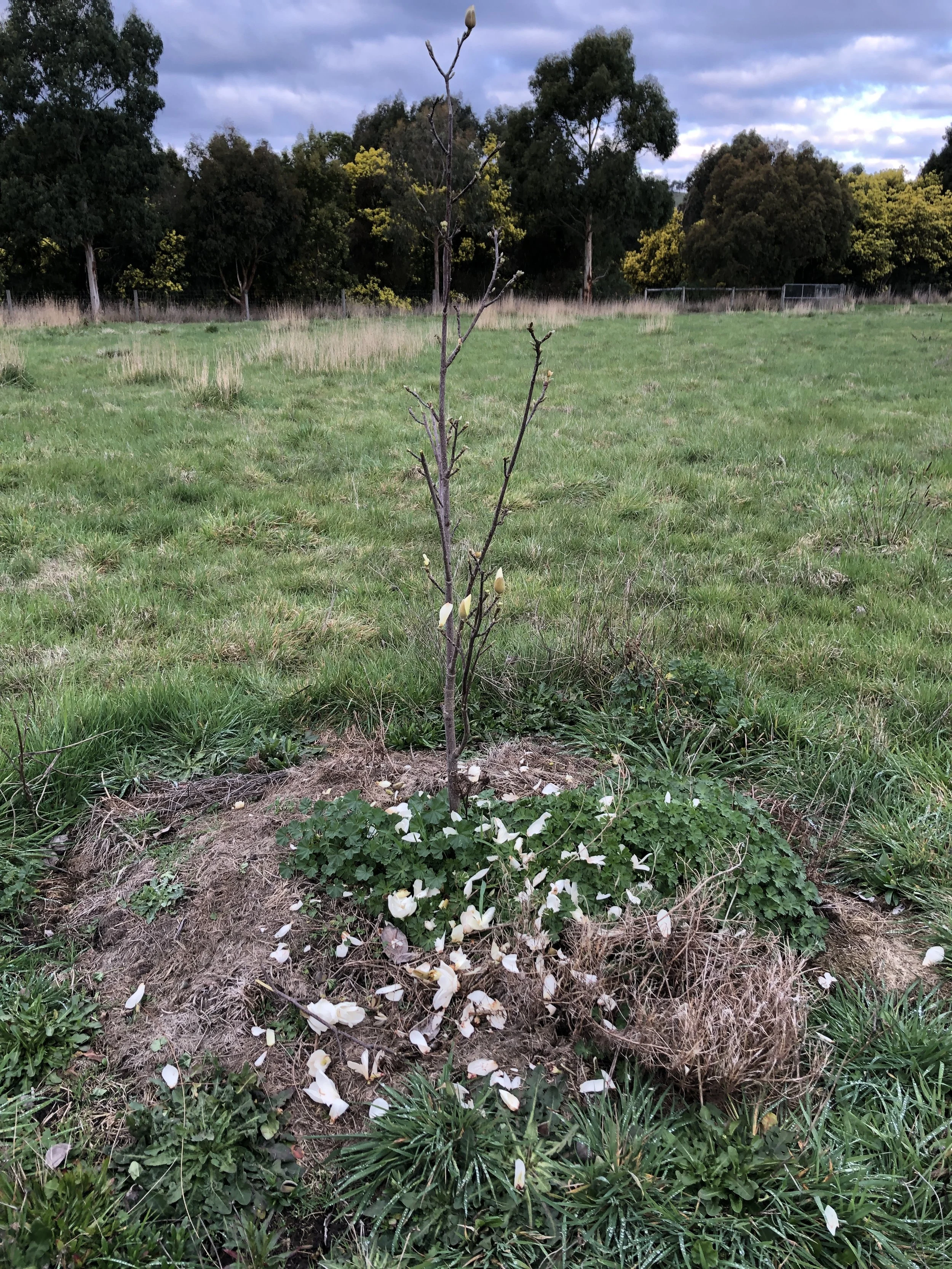
8.21 A Magnolia tree after a visit by the Cockatoos
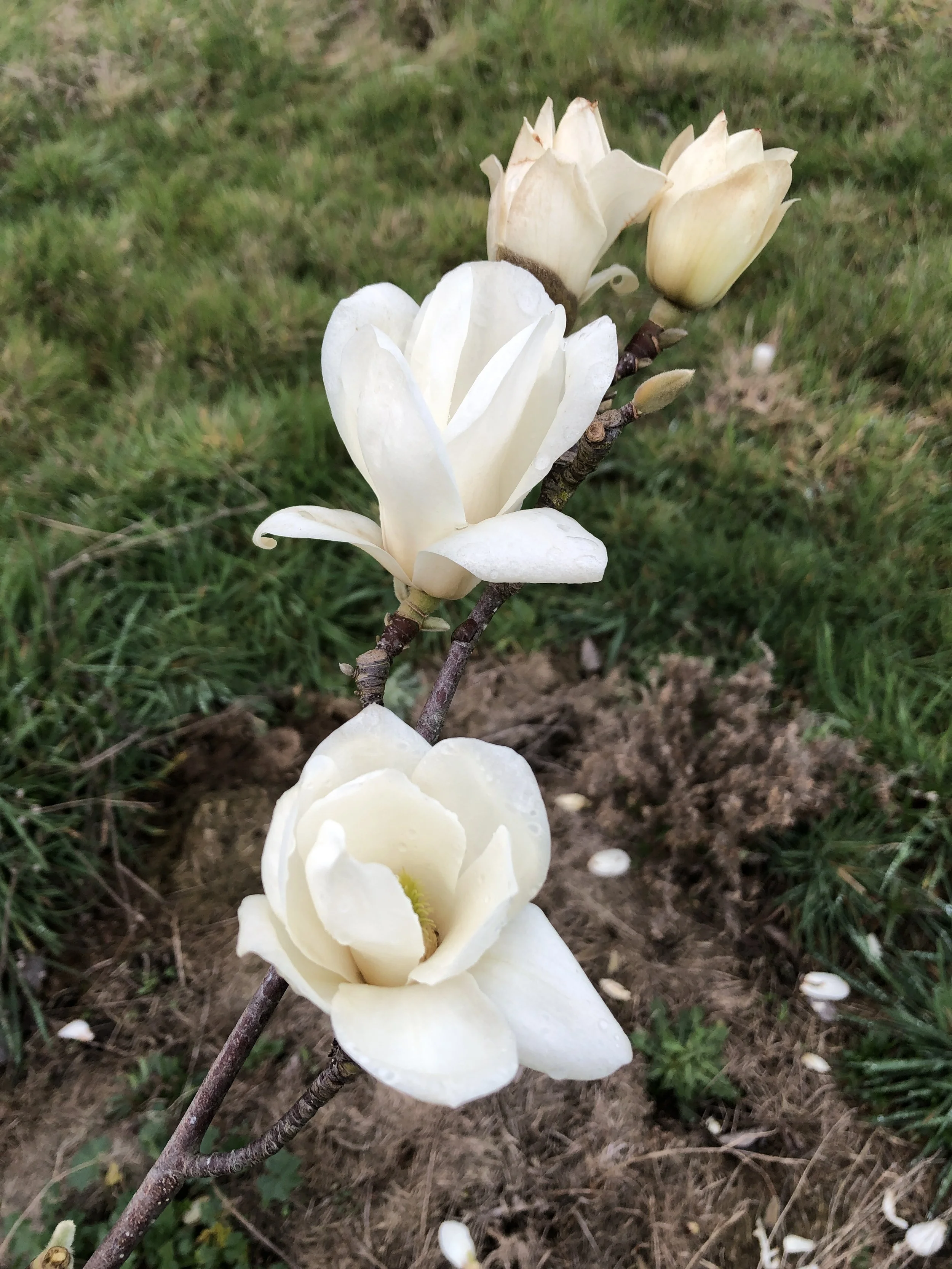
8.22 What the Magnolia trees looked like before the Cockatoos
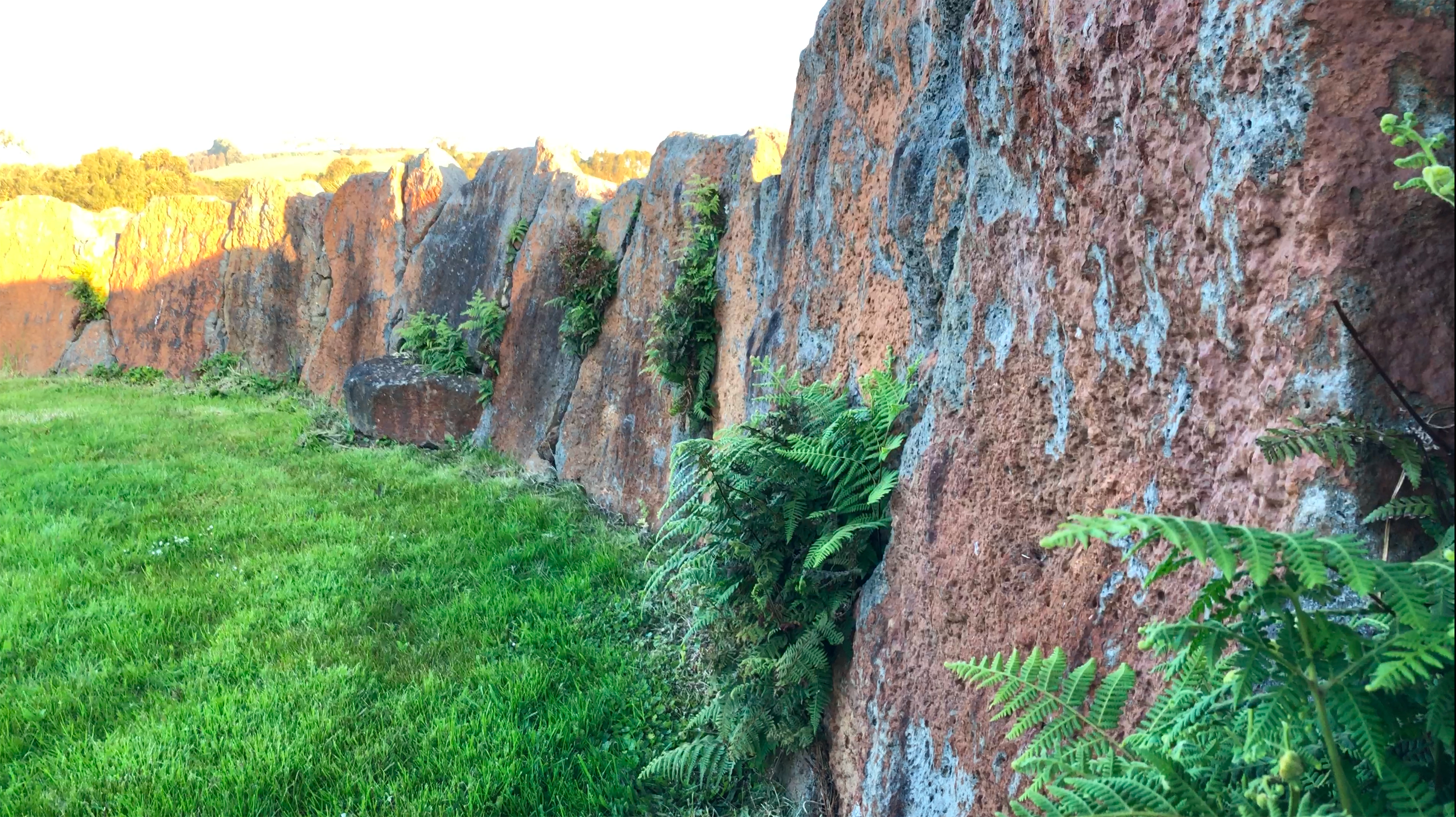
9.26 The ferns are spreading in the Henge
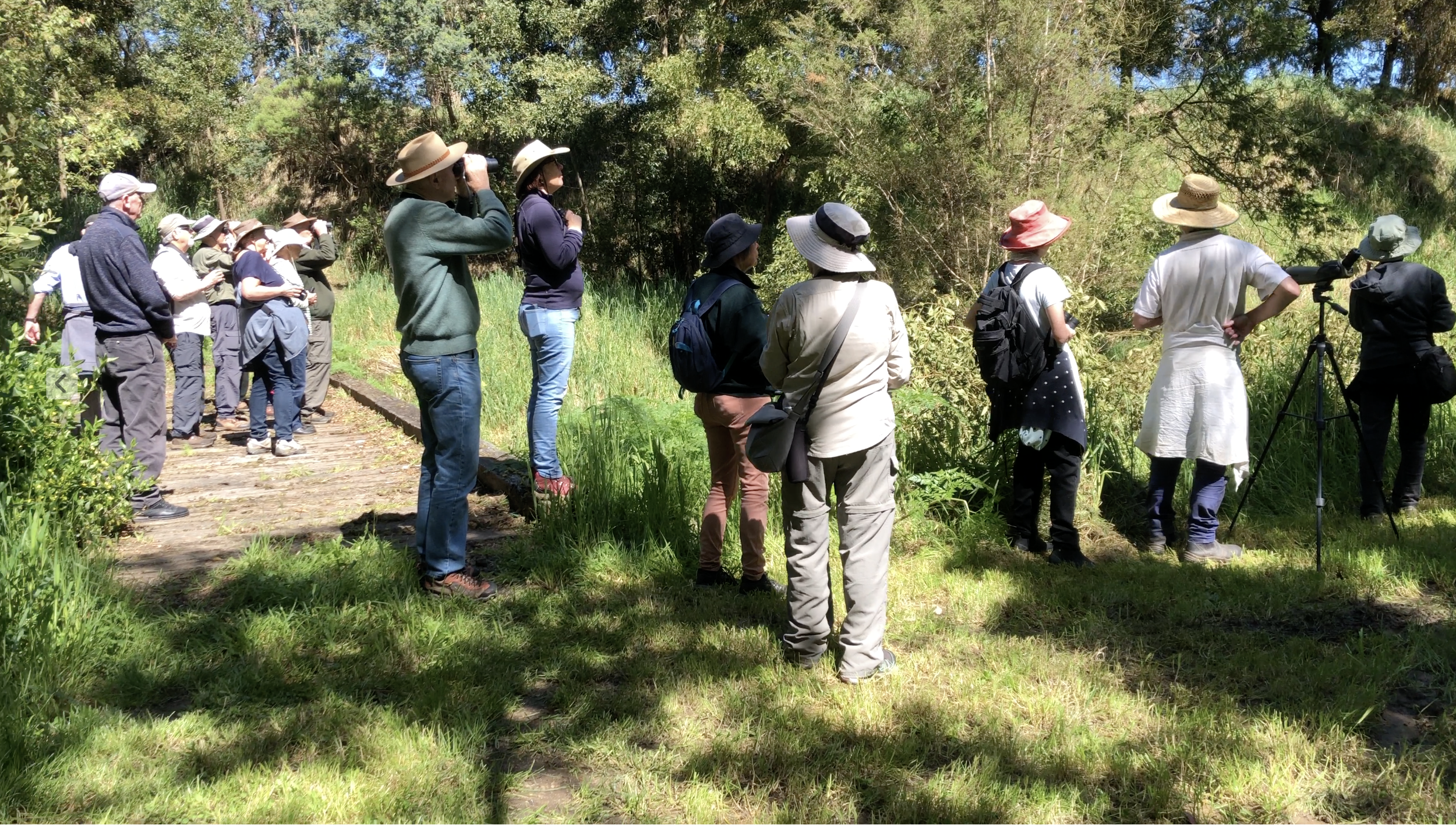
10.10 Bird watching group visits the arboretum. In total 106 different species have been in the arboretum over the years.
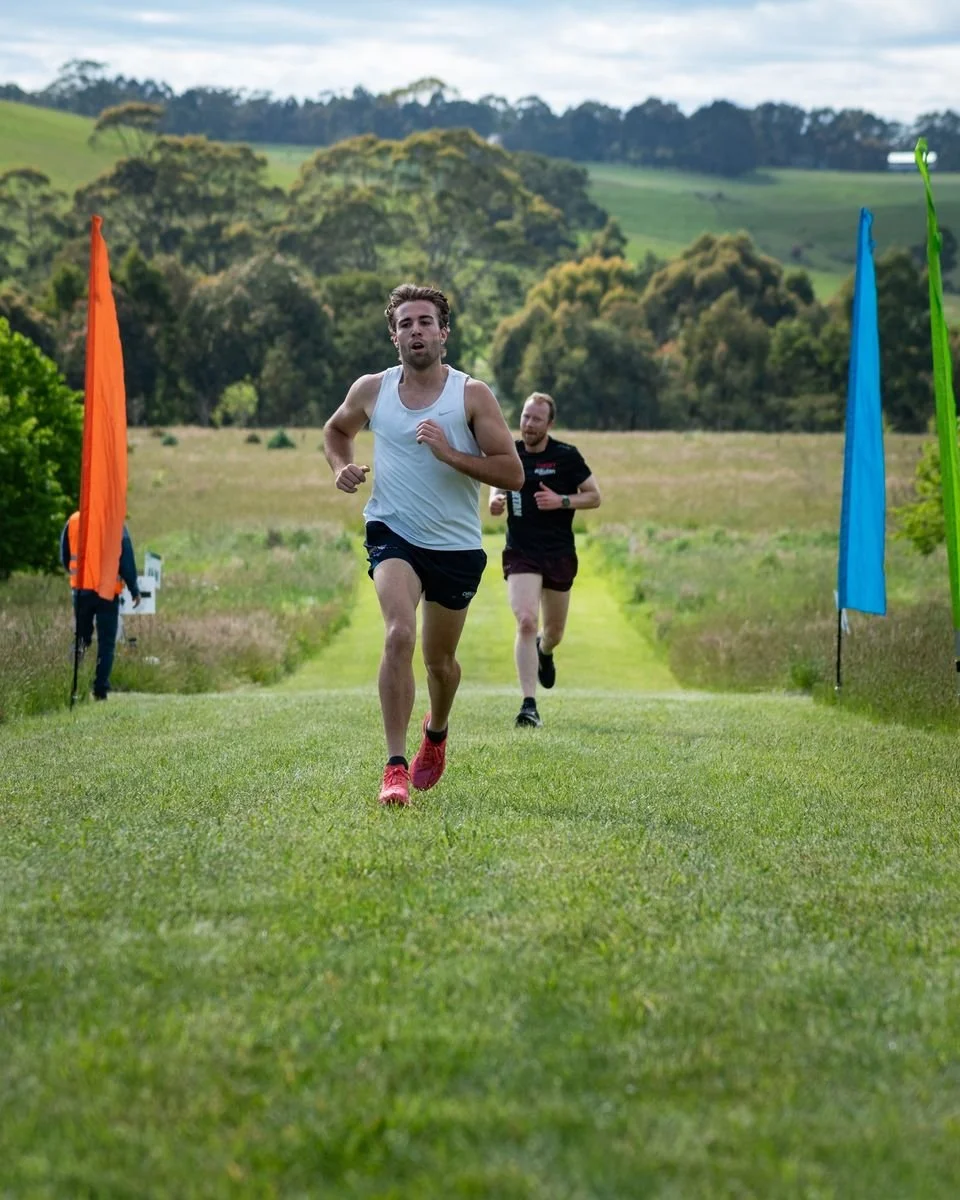
11.1 Two of the runners nearing the finish line in the annual Run the Marsh event held in the arboretum
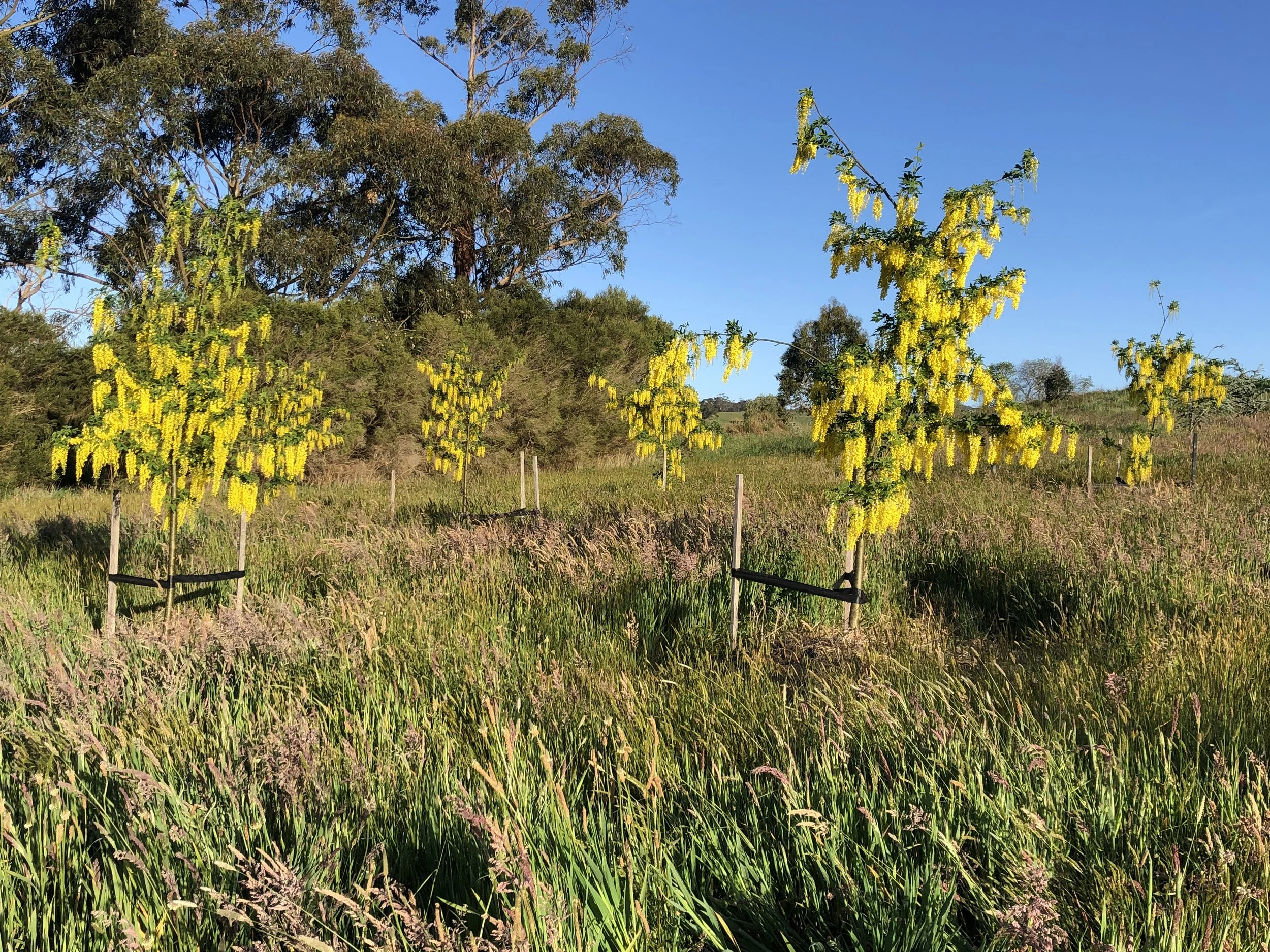
11.2 Golden chain tree
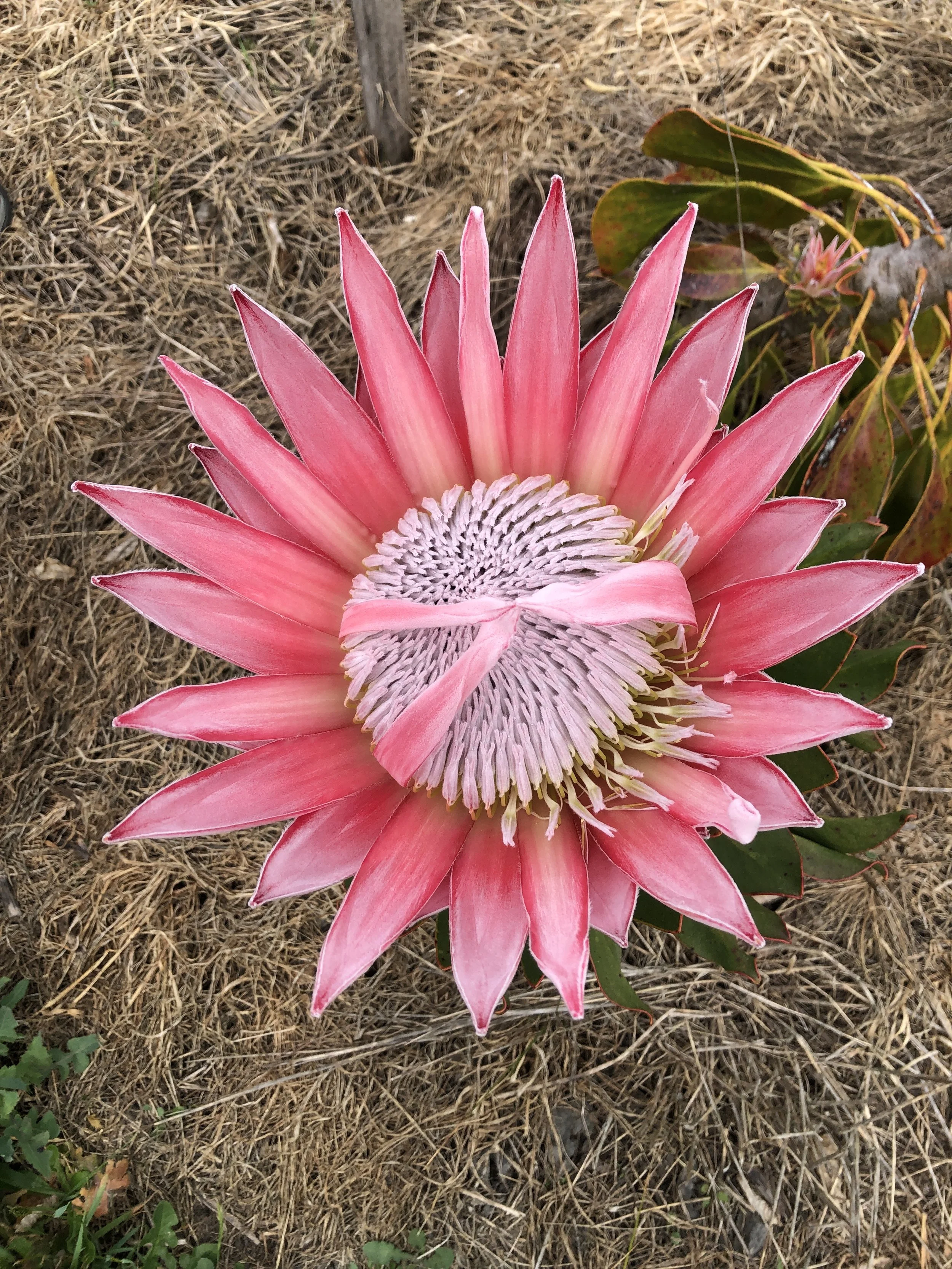
11.3 A shy King protea flower about to fully open